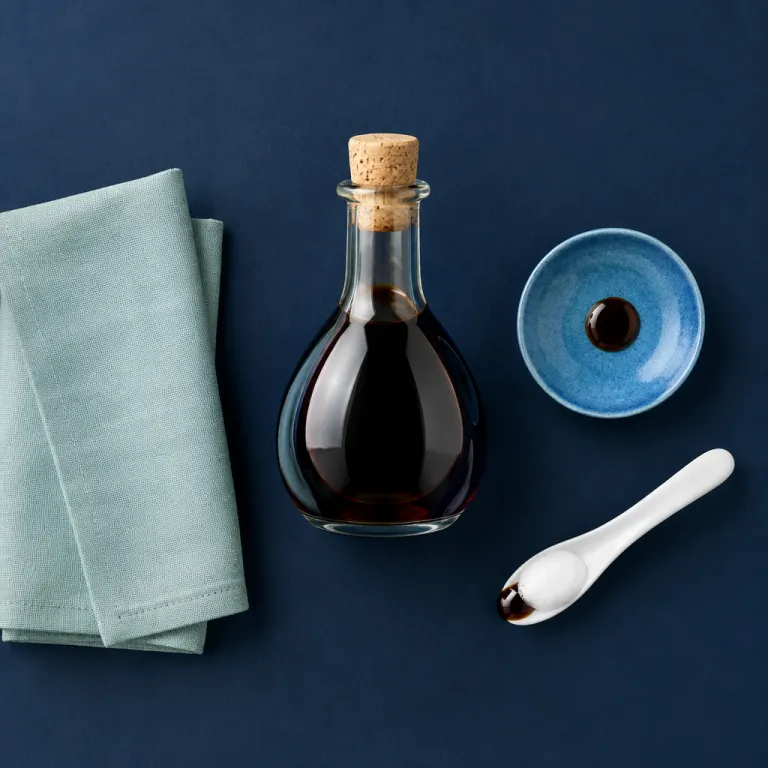
Why intense aged vinegar from Italy matters when choosing a Milan hotel
When you book a hotel in Milan, you are also choosing a daily dining environment. The city’s best properties now treat intense aged vinegar from Italy as a signature ingredient, using it to express both regional pride and contemporary culinary style. For travellers who care about food, the way a hotel handles balsamic vinegar, vinegar from Modena, and extra virgin olive oil quietly signals its overall standards.
In Milan’s serious kitchens, a well curated selection of vinegar and balsamic vinegars is as essential as a strong wine list. Chefs look for vinegars with depth that have been aged years in wooden casks, often sourced directly from Modena or Reggio Emilia to guarantee provenance and character. When a menu highlights traditional balsamic or clearly names Italian balsamic from Modena, you can usually expect the rest of the products to be equally considered.
Intense aged vinegar from Italy is not just a condiment; it is a narrative about time, place, and craftsmanship. The finest traditional balsamic vinegars are traditionally produced from cooked grape must, then slowly vinegar aged in a series of wooden casks that concentrate flavors and complexity. When a Milan hotel takes the time to explain how its balsamic vinegar was produced, how many aged years it has rested, and which acetaia bottled it, that visible transparency builds trust before you even taste the first drop.
How Milan hotels curate vinegar, balsamic, and extra virgin olive oil programs
Across Milan, leading hotel restaurants now design tasting rituals around intense aged vinegar from Italy and extra virgin olive oil. At places such as the Armani Hotel Milano or the Bulgari Hotel Milano, you might be welcomed with a trolley of olive oil and balsamic vinegars, each bottle labelled with its Modena region origin, grape variety, and the number of years the content has been aged in wooden casks. This careful presentation turns what used to be a simple bread service into a guided introduction to Italian balsamic culture.
Pay attention to how many vinegar and vinegar Modena options appear on the menu, and whether staff can explain the differences between a younger vinegar aged product and an aged balsamic that has rested for far more years. Properties that invest in training their équipe to speak confidently about traditional balsamic, Modena balsamic, and dressings sauces usually apply the same care to wine pairings and room service. If you are vegetarian or plant forward, this level of detail often extends to salads, grilled vegetables, and the thoughtful use of extra virgin olive oil in meat free dishes.
When researching where to stay, look at how a hotel’s restaurant integrates intense aged vinegar from Italy into tasting menus, aperitivo snacks, and breakfast buffets. Some Milan properties now highlight vinegar from Modena and Reggio Emilia in dedicated sections of their online menus, making the content easy to scan without needing to skip content or dig through PDFs. If you prioritise plant based dining, it is worth reading guides on how vegetarian restaurants in Milan can shape your hotel choice on specialised hospitality platforms, then cross checking which hotels collaborate with those chefs on Italian balsamic focused experiences.
From Modena and Reggio Emilia to Milan: tracing the journey of traditional balsamic
The most prized intense aged vinegar from Italy served in Milan hotels usually begins life in the countryside around Modena and Reggio Emilia. In these provinces, traditional balsamic vinegar is traditionally produced from cooked grape must, then transferred through a battery of progressively smaller wooden casks made from oak, chestnut, cherry, and other woods. Over many years, evaporation and slow oxidation concentrate the content of each bottle into a dense, glossy liquid with layered flavors.
When a Milan hotel lists a traditional balsamic from Modena or a produced balsamic from the wider Modena region, it is signalling respect for strict production rules that protect quality. Authentic vinegar from Modena and Reggio Emilia carries DOP or IGP status, meaning every step from vineyard to vinegar aged casks is controlled and documented. Guests who care about origin can often ask to see the bottle, where the year of bottling and the number of aged years are clearly visible on the label.
Many hotel chefs in Milan maintain long term relationships with acetaie, the family run vinegar houses that have produced balsamic vinegars for generations. Well known names include Acetaia Giusti and Acetaia Malpighi, whose products appear in tasting menus and special events. When you see a hotel proudly share the story of its vinegar from Modena, including photos of wooden casks and the families who tend them, you gain a deeper sense of the Italian hospitality values behind your plate.
How Milan chefs use intense aged vinegar from Italy across the day
In Milan’s hotel restaurants, intense aged vinegar from Italy appears from breakfast through late night room service. At breakfast, a few drops of lighter vinegar Modena over fresh fruit or yoghurt can balance sweetness, while a drizzle of aged balsamic over eggs with extra virgin olive oil adds unexpected depth. These small touches show how thoughtfully a kitchen uses vinegar and olive oil as everyday tools rather than occasional garnishes.
By lunchtime, chefs often turn to more structured applications, using Italian balsamic and other vinegars in dressings sauces for salads, grain bowls, and seafood. A younger vinegar aged for fewer years brings brightness to a vinaigrette, while a syrupy traditional balsamic from Modena or Reggio Emilia might finish a risotto or grilled fish. As one Milan chef at a five star property notes, a single drop of Modena balsamic can “pull hidden flavors to the surface” when added at the last moment. When menus clearly describe which balsamic vinegars are used where, guests can better understand how different products shape flavors and textures.
Dinner is where the most intense aged vinegar from Italy usually shines, especially in tasting menus that pair multiple vinegars with different courses. One course might feature a savoury reduction of Modena balsamic over slow cooked meat, while dessert could highlight strawberries with a few drops of traditional balsamic and a thread of extra virgin olive oil. If you enjoy this style of cuisine, choose hotels whose online content makes the role of vinegar from Modena visible, rather than treating it as a generic pantry item.
Reading menus and labels: practical tips for hotel guests in Milan
When you sit down in a Milan hotel restaurant, the menu and the condiments tray can tell you a lot about the intense aged vinegar from Italy you are about to taste. Look for clear references to traditional balsamic, vinegar from Modena, or produced balsamic from the Modena region, rather than vague mentions of “balsamic glaze”. If the bottle is on the table, check whether the content includes only cooked grape must, which is typical for higher quality balsamic vinegars.
Labels on serious vinegar and balsamic products usually indicate whether they were traditionally produced and how many years they spent in wooden casks. Terms like “Aceto Balsamico Tradizionale di Modena DOP” or “Aceto Balsamico Tradizionale di Reggio Emilia DOP” signal strict standards, while “Aceto Balsamico di Modena IGP” covers a broader category of Modena balsamic. A hotel that is willing to share this level of detail, including the year of bottling and the specific acetaia that produced the vinegar aged liquid, is typically confident in its sourcing.
If information is not immediately visible, do not hesitate to ask the staff about the origin of the intense aged vinegar from Italy used in your dressings sauces or main courses. Their ability to explain the difference between younger vinegars and aged balsamic, or between Italian balsamic from Modena and simpler vinegar from other regions, can help you gauge the restaurant’s expertise. Guests who care about food often use these conversations to decide whether to return for another meal or to explore other Milan hotels with more transparent content about their culinary philosophy.
Choosing a Milan hotel that aligns with your food and beverage expectations
For many travellers, the presence of intense aged vinegar from Italy on a menu is more than a detail; it reflects a hotel’s entire approach to hospitality. Properties that invest in high quality vinegar and balsamic programs usually also prioritise seasonal produce, thoughtful wine lists, and well trained teams. When you read hotel websites, pay attention to how much content they dedicate to food, whether they mention vinegar from Modena, and how proudly they share their partnerships with producers.
If you value immersive culinary experiences, consider hotels that host tastings focused on Italian balsamic, extra virgin olive oil, and regional cheeses. Some Milan properties collaborate with acetaie from Modena and Reggio Emilia to offer guided flights of balsamic vinegars, comparing younger vinegar aged expressions with traditional balsamic that has rested for many years in wooden casks. According to figures shared by the Consorzio Tutela Aceto Balsamico di Modena and the Italian Trade Agency, a growing share of premium Modena balsamic now reaches high end hotels, encouraging more properties to organise these events. These tastings often include discussions about how produced balsamic from the Modena region differs from simpler vinegars, giving guests a richer understanding of what is in each bottle.
Even if you are not a specialist, you can still use intense aged vinegar from Italy as a practical filter when choosing where to stay. Hotels that treat their vinegar and olive oil as serious products, that label the year and origin clearly, and that make their sourcing visible in menus and digital content tend to care about every detail of the guest experience. In a city as competitive as Milan, that level of attention often separates a merely convenient stay from one you will want to share stories about long after you check out.
Key figures on Italian balsamic vinegar and hotel dining
- According to the Consorzio Tutela Aceto Balsamico di Modena, producers in the Modena region and Reggio Emilia bottle hundreds of millions of litres of balsamic vinegar each year, but only a small fraction qualifies as traditional balsamic DOP aged for many years in wooden casks.
- Industry data from the Italian Trade Agency indicate that exports of Italian balsamic and vinegar from Modena have grown steadily over the past decade, with a significant share destined for premium hospitality venues, including high end hotels in Milan.
- Surveys by hospitality consultancies show that guests who rate hotel food and beverage highly are more likely to return, and many specifically mention the quality of olive oil, intense aged vinegar from Italy, and other visible products as part of their satisfaction.
- Training programmes for hotel restaurant staff in Milan increasingly include modules on vinegar, balsamic vinegars, and extra virgin olive oil, reflecting the growing expectation that servers can explain the origin, year, and production methods of these key ingredients.
FAQ: intense aged vinegar from Italy in Milan hotels
How can I tell if a Milan hotel uses authentic balsamic vinegar from Modena ?
Check menus and bottles for clear references to “Aceto Balsamico di Modena IGP” or “Aceto Balsamico Tradizionale di Modena DOP”, which indicate that the vinegar from Modena follows protected production rules. Authentic products usually list the Modena region, the producer’s name, and sometimes the number of aged years in wooden casks. If this information is not visible, you can ask staff directly about the origin and style of the balsamic vinegar they serve.
Why does intense aged vinegar from Italy cost more in hotel restaurants ?
High quality Italian balsamic and traditional balsamic require many years of ageing in wooden casks, during which time much of the liquid evaporates and concentrates. This long process, combined with strict controls in Modena and Reggio Emilia, means that each bottle contains a relatively small content of very dense vinegar aged product. Hotels that serve these vinegars factor the cost of careful sourcing, storage, and staff training into menu prices.
Is there a difference between traditional balsamic and regular balsamic vinegars in Milan ?
Yes, traditional balsamic from Modena or Reggio Emilia is traditionally produced from cooked grape must only and aged for many years in a series of wooden casks, resulting in a thick, complex liquid. Regular balsamic vinegars, including many produced balsamic products labelled “Aceto Balsamico di Modena IGP”, may include wine vinegar and shorter ageing times, giving a lighter texture and simpler flavors. Milan hotels often use traditional balsamic sparingly for finishing dishes, while relying on younger vinegar and balsamic for dressings sauces and marinades.
How do Milan hotel chefs typically use intense aged vinegar from Italy on menus ?
Chefs in Milan’s hotels use intense aged vinegar from Italy in a range of applications, from simple salads with extra virgin olive oil to elaborate tasting menus. Younger vinegar from Modena might appear in vinaigrettes and reductions, while aged balsamic and traditional balsamic are reserved for finishing risotti, grilled meats, or desserts. Reading menu descriptions carefully will show where different vinegars and balsamic vinegars are used and how they shape the flavors of each course.
Can I buy the same vinegar used in my Milan hotel restaurant to take home ?
Many hotels that focus on intense aged vinegar from Italy sell selected bottles directly to guests or can arrange purchases from their partner acetaie in the Modena region and Reggio Emilia. If you enjoyed a particular Modena balsamic or Italian balsamic during your stay, ask staff whether that specific vinegar aged product is available for retail sale. They can usually provide details on the producer, the year of bottling, and how best to use the vinegar and balsamic products once you return home.