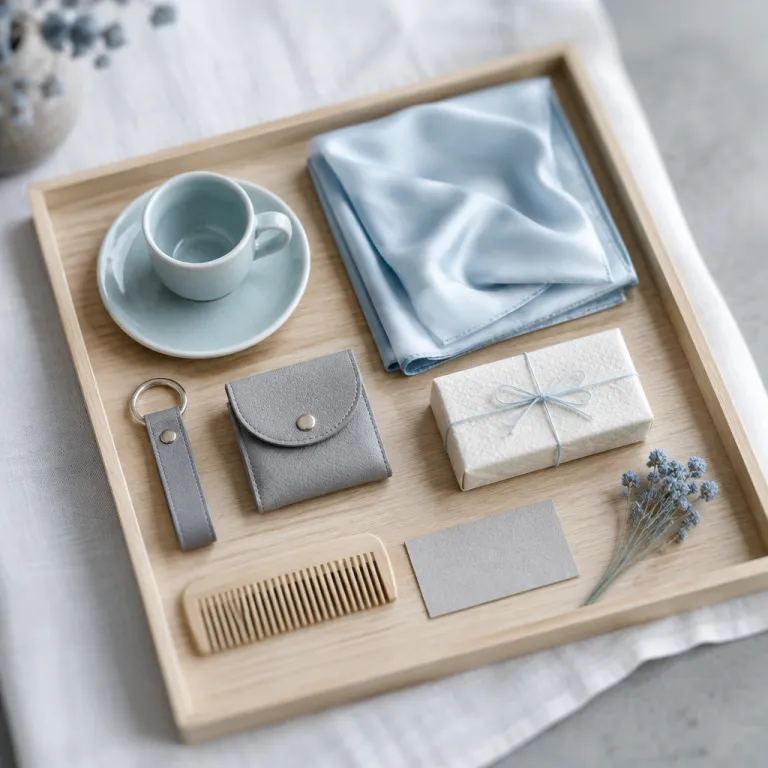
Staying in Milano at the heart of Italian craft culture
Choosing a hotel in Milano is easier when you understand how the city breathes Italian craft culture. In the heart of this dynamic metropolis, made in Italy creations are not abstract marketing claims but living traditions that shape where you sleep, where you eat, and where you go shopping. When you select a place to stay near artisan districts, you gain direct access to Italian fashion studios, leather workshops, and family-owned gastronomy that reveal how every object is carefully made.
Look for addresses between the Duomo and Brera if you want to wake up surrounded by art galleries, design showrooms, and small ateliers run by local artisans. This central area of Milano allows you to walk to high fashion flagships on Via Montenapoleone while still finding quiet side streets where an artisan polishes quality leather bags by hand. In these streets, the phrase made in Italy becomes tangible through the scent of cured meats from historic delicatessens and the sight of hand-made jewellery displayed beside contemporary art.
Guests who care about high-quality details should pay attention to how a hotel talks about materials and partnerships with Italian leather suppliers or Murano glass makers. When a property highlights tailor-made furnishings, custom woven fabrics, and leather goods crafted in small workshops, it signals a deeper commitment to the best Italian traditions rather than a generic international brand approach. This mindset transforms your room into a small gallery of Italian handmade design, where every lamp, chair, and ceramic piece tells a story about the history of Italian artisanship; as a quick rule of thumb, the more specific the maker names and origins, the more likely the hotel is genuinely supporting local craft.
Where to stay in Milan for meaningful shopping and artisan encounters
Location defines how easily you can reach the best shopping streets and authentic workshops during a short stay. If your priority is Italian fashion and high fashion brands, consider hotels around the Quadrilatero d’Oro, where fashion made in Milan has shaped global style for decades. Here you can move on foot between international brand flagships and discreet studios where an artisan still sketches leather bags before they are handmade in small batches.
Travellers who prefer a slower rhythm often choose the Navigli district, where canals frame a different side of the city. Around these waterways, local artisans sell hand-made ceramics, quality leather accessories, and Murano glass jewellery in intimate spaces that feel more like studios than retail stores. Staying nearby lets you return easily after a day of shopping, drop off your leather goods, and head back out for aperitivo with cured meats and regional cheeses; tram lines 2 and 14 or the M2 metro make it simple to move between Navigli and central shopping streets.
Brera offers another compelling base for guests who value art–fashion collaborations and Italian craftsmanship. Narrow streets hide galleries, independent fashion labels, and family-run workshops where Italian leather is cut and stitched in front of you, often by several generations working together. Choosing a hotel here places you within walking distance of both refined shopping and the Pinacoteca di Brera, where the history of Italian art deepens your appreciation for every artisan object you bring back to your room; for a concrete example, a stay near Via Fiori Chiari or Via Madonnina keeps you close to both ateliers and evening wine bars.
From Milano to Florence and Venice: extending your handmade journey
Many travellers booking a hotel in Milano plan a wider itinerary across Italy focused on craftsmanship. Milan works beautifully as a starting point for a route that connects Florence, Venice, and smaller destinations where made in Italy goods define daily life. When you design your stay this way, each city reveals a different expression of Italian fashion, leather goods, and artisan traditions that complement what you experience in Milano.
In Florence, staying near the Arno and Ponte Vecchio places you close to goldsmiths, leather workshops, and shopping streets lined with family-owned stores. Here, Italian leather jackets, quality leather belts, and tailor-made shoes are often produced in tiny back rooms where local artisans still rely on traditional tools. A hotel concierge who understands this world can direct you to the best Italian shoemakers for fittings and arrange visits to studios where hand-made bags are stitched while you watch; many travellers budget at least half a day for fittings and recommend packing an extra foldable bag for new purchases.
Venice adds another layer with its centuries-old Murano glass heritage and lagoon atmosphere. While you may sleep in Milano, many guests plan at least one night in Venice to experience glass furnaces, art–fashion collaborations, and quiet evenings far from day trippers. From there, some continue south toward Vietri sul Mare and other sul mare towns, where ceramics, coastal colours, and family workshops show how Italian craftsmanship adapts to the sea while still maintaining high-quality standards; figures published by regional authorities in 2022 underline how these districts remain heavily dependent on small artisan businesses.
Italian materials in Milan hotels: leather, glass, textiles, and more
When you evaluate hotels in Milano, pay attention to the materials that surround you in photos and descriptions. Properties that take made in Italy heritage seriously often highlight Italian leather headboards, Murano glass lighting, and tailor-made textiles woven in regional mills. These details are not decorative excess but signals that the hotel aligns itself with the best Italian craft values.
Look closely at how a hotel describes its furniture, flooring, and accessories, because this language reveals its relationship with local artisans. A property that mentions hand-made ceramics from Vietri sul Mare, custom leather goods from Florence, or art–fashion collaborations with Milanese designers is usually investing in quality leather and high-end finishes rather than anonymous imports. In some cases, you will find leather bags displayed in the lobby, Murano glass vases in corridors, and cured meats from small producers served at breakfast, all reinforcing the same Italian-made narrative; a simple checklist when browsing photos is to look for visible maker labels, regional names, and signs of hand-finished details.
Guests who appreciate design should also consider whether a hotel participates in events such as Milan Fashion Week or Salone del Mobile. During these periods, some addresses host temporary exhibitions of fashion made collections, Italian fashion accessories, and limited-edition pieces created by local artisans for the property. Staying in such a place turns your room into a quiet retreat within the city while keeping you at the heart of contemporary creativity and traditional craftsmanship, and it can also give you early access to capsule collections that never reach standard retail stores.
Art and fashion collaborations: choosing a hotel that lives the culture
Milan excels at collaborations between artists, designers, and fashion houses, and your hotel choice can place you inside this creative network. Many properties near the Duomo, Brera, and Porta Nuova curate rotating exhibitions that mix art–fashion photography, sculpture, and installations with Italian fashion pieces. When these spaces also showcase hand-crafted objects, you gain a direct view of how an artisan transforms raw materials into items that define the city’s style.
Some hotels commission tailor-made works from local artisans, such as murals inspired by Venice canals, leather panels recalling Florence workshops, or Murano glass chandeliers designed exclusively for their lobbies. These collaborations often extend to retail corners where guests can purchase leather goods, leather bags, and other hand-made items that match the property’s aesthetic. By staying in such a place, you support high-quality production and bring home pieces that carry the history of Milano and wider Italy; for instance, several boutique hotels in Brera and Porta Venezia now host weekend pop-ups where emerging designers sell limited runs of bags and jewellery.
When researching options, look for mentions of partnerships with design schools, galleries, or Italian leather brands, because these relationships usually indicate a deeper cultural engagement. You might find a hotel that hosts talks on fashion made in Italy, tastings of cured meats from family producers, or small markets where local artisans present their latest collections. This kind of programming transforms a simple stay into an immersive experience that connects your nights in Milano with the broader narrative of Italian craftsmanship, and it can also help you understand price ranges and production times before commissioning a custom piece.
Planning your Milan stay around shopping, views, and craftsmanship
Once you have chosen a neighbourhood, refine your hotel selection by aligning it with your priorities for shopping, dining, and atmosphere. Travellers focused on high fashion and Italian fashion brands often prefer central streets, while those who value quieter evenings and artisan encounters may choose residential areas with easy tram access. Either way, ensure that the property’s style, materials, and partnerships reflect the Italian-made pieces you hope to explore.
For guests who love panoramic views after a day of shopping, an elegant guide to the best rooftop bars in Milan with a breathtaking view can help you match your hotel location with nearby terraces. Many rooftops collaborate with local artisans for tableware, Murano glass details, and cured meats platters that showcase regional producers. Enjoying an aperitivo above the city while holding a glass crafted in Venice or a plate from Vietri sul Mare reinforces the connection between skyline and craftsmanship; popular examples include terraces around Piazza del Duomo, where you can watch the cathedral change colour at sunset while sampling Lombard wines.
Finally, consider how long you will stay in Milano and whether you plan side trips to Florence, Venice, or coastal sul mare towns. A well-located hotel near Milano Centrale or Cadorna stations simplifies rail journeys to Ponte Vecchio, Murano glass islands, and shopping streets in Florence filled with quality leather workshops. With this structure, every night in Milan becomes the anchor of a wider itinerary through the best Italian traditions of hand-made objects, high-quality materials, and enduring family craftsmanship; packing light, leaving suitcase space for purchases, and checking luggage weight limits in advance will make the journey home smoother.
Key figures on Milan travel, shopping, and Italian craftsmanship
- The city of Milan welcomes more than 6 million international visitors annually, with a significant share citing shopping and Italian fashion as primary travel motivations, according to data from the Italian National Institute of Statistics (ISTAT) for 2019, the last full pre-pandemic year.
- Italy’s fashion industry generates over 80 billion euros in revenue each year, and Milan accounts for a substantial portion of this value through high fashion shows, trade fairs, and retail activity, based on reports from the Camera Nazionale della Moda Italiana published between 2021 and 2023.
- Artisanal and small manufacturing businesses represent roughly 40 percent of Italy’s fashion and accessories supply chain, which underlines the importance of local artisans and hand-made production for travellers seeking authentic products, according to studies by Confartigianato Imprese released in 2022.
- Murano glass exports from the Venice area reached approximately 60 million euros in 2021, demonstrating the global demand for high-quality, made in Italy craftsmanship that many Milan hotels showcase in their interiors, as reported by regional economic agencies in Veneto.
- Florence’s leather goods sector employs several thousand workers in and around the city, and many Milan retailers source Italian leather bags and quality leather accessories from these workshops, according to data from the Florence Chamber of Commerce and local trade associations updated in 2022.
FAQ about Milan hotels and made in Italy handmade products
Which Milan neighbourhood is best for travellers who love Italian craftsmanship ?
Brera is often the best choice for travellers who want easy access to galleries, artisan workshops, and Italian fashion stores in walkable streets. The Quadrilatero d’Oro suits visitors focused on high fashion and luxury shopping, while Navigli offers a more relaxed atmosphere with studios and markets where local artisans sell hand-made goods.
How can I tell if a Milan hotel truly supports local artisans ?
Look for specific mentions of partnerships with Italian leather workshops, Murano glass makers, or regional textile mills in the hotel’s description. Properties that highlight tailor-made furnishings, hand-made ceramics, and collaborations with local designers usually invest in authentic made in Italy handmade products rather than generic décor.
Are Milan hotels a good base for visiting Florence and Venice for shopping ?
Yes, Milan is a practical base because high-speed trains connect the city with Florence in about two hours and Venice in roughly two and a half hours. Staying near Milano Centrale or Cadorna stations makes it easy to plan day trips focused on shopping Florence leather goods, Ponte Vecchio jewellery, and Murano glass studios.
What types of handmade products are easiest to bring home from Milan ?
Smaller items such as leather bags, belts, wallets, jewellery, and Murano glass accessories are easiest to pack and transport. Many Milan shops and hotel boutiques also offer cured meats under vacuum seal, ceramics from Vietri sul Mare, and other high-quality products that comply with airline and customs regulations.
Do Milan hotels help guests find authentic made in Italy handmade products ?
Many higher-end and design-focused hotels maintain close relationships with local artisans and can arrange private visits to studios or recommend trusted shops. When booking, you can email the concierge to ask specifically about Italian fashion, leather goods, and art–fashion collaborations to ensure the property aligns with your interests.