Italy’s cultural and historical heritage – a complete guide through Milan’s grand palazzi
Choosing a hotel in Milan becomes far richer when you frame it within Italy’s cultural and historical heritage – a complete guide to how historic palazzi shape the city. Milan is not only a fashion capital of modern Italy but also a living archive of Italy’s history, where aristocratic residences now welcome guests with quiet elegance. Staying in these historic buildings lets you feel the layers of culture Italy carries, from the Roman Empire to the Italian Renaissance, in every courtyard and corridor.
Across the region of Lombardy, Milan stands apart as a city where art, finance, and design intersect with deep historical culture that still guides daily life. Many former city-states in northern Italy expressed their power through monumental palaces, and several of these palazzi now operate as refined hotels that respect their cultural heritage while offering contemporary comfort. When you read about Italy’s cultural and historical heritage and look for a complete guide to Milan, these properties appear as essential waypoints for understanding how an Italian city can be both avant-garde and rooted in centuries of tradition.
For a traveller who values art history and architecture as much as efficient service, a stay in a historic palazzo becomes an essential guide to the Italian language of space, light, and proportion. You will find frescoed ceilings, marble staircases, and inner courtyards that once hosted noble families who shaped the politics of Italy’s history and the wider Europe. This is where Italy’s small details matter, from original terrazzo floors to curated libraries of Italian literature that quietly narrate the evolution from the Roman Empire to modern Italy.
From noble residence to refined stay: how Milan’s palazzi evolved
Many Milanese palazzi were built when Italy was a mosaic of city-states, each competing through architecture, art, and patronage. These residences often housed families who financed masterpieces of art culture and influenced the political history Italy experienced long before unification. When such buildings become hotels, they carry forward this cultural role, turning private heritage into shared experience for every guest.
Inside these walls you can read the story of Italian Renaissance ambition, baroque splendour, and the sober elegance of modern Italy in a single stay. Frescoes may depict episodes from Roman Empire mythology, while later salons showcase Italian art from the nineteenth century that reflects a changing region and shifting alliances across Europe. This layered art history gives context to your Milan stay, transforming a simple room booking into a curated tour through centuries of Italy’s history and culture.
Some palazzi are officially recognised as part of Italy’s broader cultural heritage, while others sit near UNESCO World Heritage sites that anchor the city’s identity. When you choose such a property, you effectively follow Italy’s cultural and historical heritage as a complete guide written in stone, stucco, and silk rather than on a page. It is an essential guide for travellers who want to find accommodation that respects Italian history and culture while still offering the amenities expected by discerning guests from the United States, Asia, and the rest of Europe.
Where to stay: key Milan palazzi that embody Italy’s heritage
Several historic palazzi in Milan stand out for travellers who want their hotel to reflect Italy’s cultural and historical heritage and offer a complete guide to the city’s soul. Around the Duomo and Galleria Vittorio Emanuele II, grand residences now host hotels where you can step from marble lobbies directly into the heart of the city. These addresses place you within about five minutes’ walk of the cathedral and La Scala and roughly ten minutes from major art museums such as the Museo del Novecento and the Pinacoteca Ambrosiana that define Milan’s art culture and Italy’s history narrative.
In the Brera district, former aristocratic homes now welcome guests who value Italian literature, galleries, and quiet cobbled streets that feel almost like small villages within the metropolis. Here you can read in shaded courtyards, listen to the Italian language around you, and explore a curated list of nearby trattorie that celebrate regional food and thoughtful food–wine pairings. Typical guest rooms in these converted palazzi range from about 18–22 m² for classic doubles to 30–40 m² for junior suites, giving you enough space to balance nightlife with the contemplative atmosphere of Italy’s small streets and hidden gardens.
Travellers interested in modern Italy often look toward Porta Nuova and Isola, where restored palazzi stand beside cutting-edge towers that symbolise a new chapter in Italy’s history. For a detailed neighbourhood overview, consult a specialised guide to where to stay in Porta Nuova and Isola in modern Milan for the traveller who wants edge, which explains how heritage buildings coexist with contemporary architecture. Choosing one of these properties lets you experience how history, culture, and design dialogue across eras, with metro journeys to the Duomo taking around ten to fifteen minutes and offering an essential guide to both past and present in this evolving city.
Inside the walls: what to expect from a stay in a historic palazzo
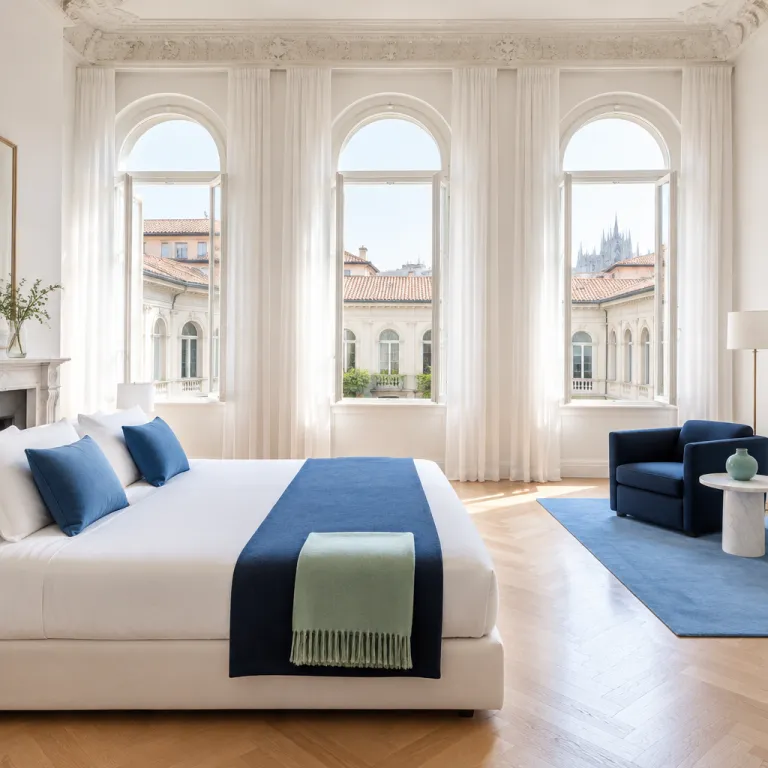
Rooms in Milan’s historic palazzi often retain original proportions, so expect high ceilings, tall windows, and sometimes slightly irregular layouts that reflect centuries of Italian history. Rather than uniform corridors, you may find grand staircases, inner loggias, and small salons that once hosted conversations about art history, politics, and the future of the region. This spatial richness turns your stay into a living tour of Italy’s cultural and historical heritage, a complete guide expressed through architecture rather than text.
Many properties curate interiors that blend antique pieces with contemporary Italian design, creating a dialogue between past and modern Italy that feels both authentic and comfortable. You might read in a library lined with Italian literature, then step into a dining room where food and food–wine pairings showcase recipes from northern and southern Italy. Staff often speak multiple languages, but listening to the Italian language used among the équipe gives you a subtle lesson in culture and hospitality codes that define this part of Europe.
Because these buildings were not originally designed as hotels, room sizes can vary, so it is wise to read floor plans carefully and ask for precise measurements in square metres. Standard rooms in central palazzi may start around 16–18 m², while larger suites can exceed 45–50 m², especially in former noble apartments. Some palazzi face lively city streets, while others open onto quiet courtyards that feel like hidden villages in the centre of Milan, so when you choose, think about how many days you will stay, how you travel, and whether you prefer to be immersed in urban energy or sheltered within Italy’s small oases of calm.
Food, wine, and daily rituals: living Italian culture inside a palazzo
Breakfast in a Milanese palazzo hotel often becomes a lesson in Italy’s cultural and historical heritage, a complete guide to morning rituals. You may find a refined buffet of regional food, from Lombard cheeses to small pastries, alongside seasonal fruit and carefully brewed espresso. This is where food–wine culture begins for the day, even if the wine itself waits until lunch or aperitivo.
Many properties collaborate with nearby restaurants or host their own dining rooms, offering menus that trace Italy’s history through recipes from both northern and southern Italy. A tasting menu might highlight risotto alla milanese, dishes inspired by the Roman Empire’s legacy, and desserts that reference convent traditions recorded in Italian literature. When paired thoughtfully, food and food–wine combinations become an essential guide to history and culture, showing how trade routes, city-states, and regional identities shaped what appears on your plate.
Evening aperitivo is another moment when you can read the Italian language of hospitality in gestures, timing, and presentation. Guests gather in salons or courtyards, sipping drinks and sampling small bites that reflect both modern Italy and older aristocratic customs. These rituals turn your stay into a lived chapter of art culture and cultural heritage, connecting you to the rhythms that have animated this city for centuries.
Practical travel tips for choosing the right historic palazzo in Milan
When selecting a palazzo hotel, start by clarifying how you want to engage with Italy’s cultural and historical heritage and create a complete guide to your own priorities. If art history is central, choose properties near the Duomo, Brera, or the Pinacoteca di Brera, where you can walk to major collections that narrate Italy’s history from the Italian Renaissance to modern Italy. Travellers more interested in design and contemporary architecture may prefer palazzi near Porta Nuova, where the skyline tells a newer chapter of Italy’s history in dialogue with older stone facades.
Consider how many days you will spend in the city and how you plan to tour both Milan and nearby villages in the Lombardy region. Some hotels can arrange curated excursions to UNESCO World Heritage sites such as Crespi d’Adda or to Italy’s small towns around Lake Como, where you can read another side of Italian culture. Ask whether the concierge can provide a personalised list of museums, galleries, and food–wine experiences that align with your interests in art culture, Italian language learning, or Italian literature.
Finally, pay attention to access, services, and the balance between preservation and comfort, especially if you are arriving from the United States or other distant parts of Europe. Check whether lifts (elevators) have been added sensitively, how rooms are insulated from city noise, and what travel tips the hotel offers for navigating Milan’s public transport. A well-chosen palazzo becomes your essential guide Italian base, helping you find not only a bed but a meaningful connection to Italy, its culture, and its enduring heritage.
Key statistics about Milan, Italy, and cultural heritage stays
- Milan welcomes more than 6 million international visitors annually, making it one of the most visited city destinations in Italy and Europe according to data from the Italian National Institute of Statistics (ISTAT) and recent municipal tourism reports.
- Italy counts over 50 UNESCO World Heritage sites, the highest number in the world, and several are within easy day-trip distance from Milan, including Crespi d’Adda and the Sacri Monti of Piedmont and Lombardy, as listed by UNESCO and regional cultural heritage inventories.
- The Lombardy region contributes roughly one fifth of Italy’s GDP, according to regional economic reports and national accounts, which helps fund restoration projects that preserve cultural heritage buildings, including historic palazzi converted into hotels.
- Surveys by major hotel groups and tourism bodies indicate that heritage- and culture-motivated trips have grown by more than 20 percent over the last decade, with Italy consistently ranking among the top three destinations for such travel in recent European tourism studies.
Frequently asked questions about staying in Milan’s historic palazzi
Are historic palazzo hotels in Milan suitable for first time visitors to Italy ?
Yes, many palazzo hotels are ideal for first time visitors because they combine central locations with staff experienced in guiding guests through Italy’s cultural and historical heritage and offering a complete guide to the city. Concierges usually provide detailed travel tips, arrange museum tickets, and help you navigate both the Italian language and local customs with ease.
How many days should I plan for a stay in a Milan palazzo ?
Plan at least three to four days if you want to explore the city’s main art history sites, enjoy its food–wine scene, and take a short tour to nearby villages or UNESCO World Heritage locations. Longer stays allow you to read the rhythm of daily life and appreciate how modern Italy coexists with layers of Italy’s history in each neighbourhood.
Are these historic buildings accessible for guests with limited mobility ?
Accessibility varies, because many palazzi were built long before lifts and modern standards, so you should always ask for precise information before booking. The best properties balance preservation of cultural heritage with discreet adaptations, such as elevators, ramps, and accessible rooms that respect the building’s art culture and structural integrity.
Is staying in a palazzo more expensive than a standard hotel in Milan ?
Rates are often higher than in standard properties, reflecting the cost of maintaining historic architecture and offering personalised service. However, you are also paying for direct access to Italy’s cultural and historical heritage, a complete guide embodied in your surroundings, which many travellers consider part of the overall value.
Can I use a palazzo hotel as a base to explore other regions of Italy ?
Milan is a major transport hub, so a centrally located palazzo works well as a base for day trips across the Lombardy region and to other parts of northern and southern Italy by high-speed train. This makes it easy to combine city culture, small villages, and coastal landscapes in one itinerary while returning each evening to the same refined address.