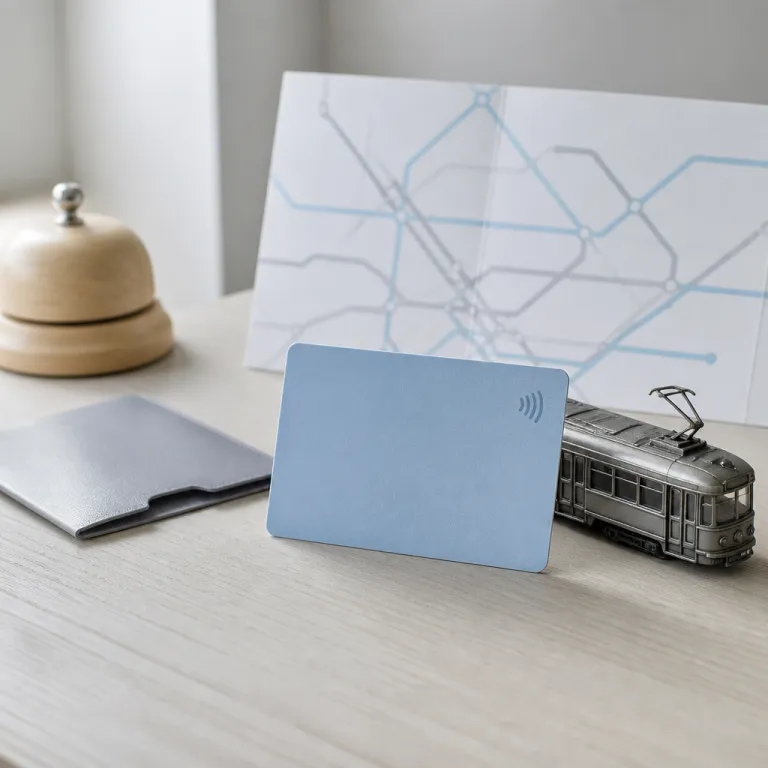
Choosing the right area in Milan city for effortless movement
Where you sleep in Milan shapes how easily you move around. For a stay focused on elegant efficiency, prioritise neighbourhoods with a dense network of metro stations plus frequent buses and trams. This makes every day smoother, from your first Milan metro ride to your last late night tram gliding back to the hotel.
The historic heart around the Duomo and the wider city center give you the best balance between atmosphere and access to public transportation. From here you can walk along central streets to many sights, then rely on Milan metro lines, trams, and buses when distances stretch. If you prefer quieter evenings, look at areas near a major metro station such as Cadorna, Centrale, Porta Garibaldi, or Porta Venezia, where transport options across Milan remain excellent and night buses still run after the metro closes.
When comparing hotels, study how many metro stations, tram stops, and bus routes sit within a 500 metre radius. A property that is slightly outside the most touristic streets but close to a Milan metro interchange can save both time and money on every ticket. This is especially valuable if you plan several day trips from Milan or late returns from dinners across the city, because you can step off regional trains or night buses such as lines NM1 or NM2 and walk a short, well lit route back to your room.
Mastering Milan metro and ATM tickets from your hotel door
Understanding how to get around Milan starts with the metro network. The Milan underground, operated by ATM (Azienda Trasporti Milanesi), is the backbone of public transport and connects most districts where visitors like to stay. Lines converge in the city center, so a hotel near any metro station usually means quick access to major sights, business areas, and railway hubs.
You can buy a single metro ticket at machines in metro stations, at some newsstands, or via official apps, and each ticket is valid for a set time window that allows transfers between metro, tram, and bus. As of January 2024, ATM states that a single urban ticket costs €2.20 and is valid for 90 minutes from first validation (ATM official fares, 2024 update). For guests planning intensive sightseeing across Milan, 24 hour or multi day tickets often provide better value and simplify every journey.
Many visitors now skip paper tickets and use contactless bank cards directly at Milan metro gates and on board trams and buses, which is ideal when you return late to your hotel and ticket offices are closed. If you prefer traditional tickets, ask reception which nearby ATM ticket vendors stay open longest, especially if your arrival time is in the evening. For families or groups, check whether integrated tickets for Milan public transport cover everyone, as this can streamline your movements around the city and reduce queuing at each station.
Using trams, buses, and public transportation to move elegantly around city streets
Once you understand the metro, the next layer of how to get around Milan is learning the rhythm of trams and buses. Historic tram lines glide past grand façades and through residential quarters, often giving a more scenic route than the underground Milan metro. Staying near a stop where buses and trams intersect can be as valuable as being next to a metro station, especially in districts slightly beyond the tight city center.
ATM manages every tram, bus, and Milan metro service, so the same tickets and passes cover the full public transportation network. This integrated public transport system means a single ticket valid for 90 minutes can take you from your hotel by bus or tram to the Duomo, then onward by tram around city boulevards without extra cost. When you check in, ask staff which tram and bus lines are most reliable at your preferred time of day, because some routes are faster during rush hours while others shine late at night.
For guests who value comfort, modern low floor trams and buses offer easy boarding with luggage or shopping bags. If your hotel lies near a major bus hub or tram junction, you can often avoid crowded metro stations at peak time and still move efficiently around Milan city. Keep an eye on digital displays at each station or stop, as they show real time information that helps you decide whether to wait for the next tram or walk through Milan instead; on key corridors, such as the night bus lines that mirror metro routes M1 and M2, this can make late returns feel predictable and safe.
Elegant options beyond public transport: walking, bikes, and sharing services
Many visitors are surprised by how walkable central Milan feels once they settle into their hotel. From a well located base near the Duomo or the fashion district, you can stroll along city streets to cafés, galleries, and restaurants in less than fifteen minutes. Choosing a property with pleasant pedestrian routes nearby makes every day start and end in a relaxed way, even if you rely on public transport for longer hops across Milan.
For greater range, Milan public authorities have encouraged bike sharing and scooter sharing schemes that complement traditional transportation. Stations for bike sharing are scattered across the city center and residential quarters, with services such as BikeMi and other dock based systems offering classic and electric bicycles. Before booking, check whether your preferred property offers secure bike storage or partnerships with sharing providers, which can be helpful if you plan to cycle around Milan regularly.
Car sharing services operate throughout the city, but they are less practical inside the most central streets where Area C congestion charges apply and parking is scarce. Guests who still want the freedom of a car sharing vehicle should look for hotels near the edge of the restricted zone or close to a major station with easy access to ring roads around Milan. For most leisure stays, a mix of walking, bike sharing, and classic public transportation will feel more elegant and less stressful than driving through city traffic.
Arriving in Milan and reaching your hotel with minimal effort
Your experience of how to get around Milan actually begins at the airport or main railway station. From Malpensa Airport, the Malpensa Express train offers a direct link to Cadorna and Centrale, two hubs where metro stations, trams, and buses converge. According to the 2024 timetable, trains typically run every 15 minutes at peak times and every 30 minutes during the rest of the day (Malpensa Express official schedule, consulted 2024). Choosing a hotel within walking distance of one of these stations can turn a potentially tiring arrival day into a smooth transition into Milan city life.
When you step off the Malpensa Express at Cadorna, you are already connected to multiple Milan metro lines and several bus and tram routes. This makes it easy to buy your first ticket for Milan public transport and continue through city districts without needing a taxi. If you arrive at Centrale or Porta Garibaldi by high speed train, the same logic applies, so prioritise accommodation that keeps your luggage time between platform and reception under fifteen minutes.
Hotels that understand transportation often provide clear maps showing how to reach them by metro, tram, or bus from each station. Before you travel, ask for this information and note which ticket is valid for your full journey, including any transfers across Milan. This small preparation step saves time at crowded ticket machines and lets you focus on enjoying the city center as soon as you emerge from the metro stations near your hotel.
Planning your days: tickets, timing, and hotel friendly itineraries
Elegant movement around Milan depends on aligning your daily plans with the rhythm of public transportation. The metro operates from early morning to shortly after midnight, while trams and buses follow similar schedules that comfortably cover most hotel guests’ needs. Knowing this, you can design each day so that your last Milan metro ride or tram journey ends close to your preferred bedtime.
For intensive sightseeing, a 24 hour or 48 hour pass for Milan public transport usually offers better value than buying separate tickets. As of January 2024, ATM lists the 24 hour urban travel card at approximately €7.60, with updated prices published on its official fare tables (ATM tariff documentation, 2024 edition). These passes allow unlimited travel on metro, tram, and bus, so you can move around Milan city freely between museums, shopping streets, and your hotel without counting each ticket. If your plans include late dinners or performances, confirm the last departure time from the nearest metro station and identify a backup bus or tram route in case your evening runs long.
Business travellers often appreciate hotels that sit between the Duomo area and key office districts, reducing total transportation time across the stay. Leisure guests might prefer a base near parks or canals, using public transportation to reach the city center and then walking through city lanes at a slower pace. In both cases, combining the right hotel location with smart ticket choices is the most reliable answer to how to get around Milan with ease.
Key figures to know before navigating Milan transportation
- A single metro ticket for Milan public transport costs €2.20 and is valid for 90 minutes, which usually covers at least one metro ride plus a tram or bus connection within the city center (data from Milan tourism authorities, confirmed against ATM fares updated January 2024).
- The metro network in Milan operates roughly from 5:30 in the morning to 00:30 at night, giving hotel guests broad flexibility to plan early departures or late returns without relying on taxis (information from ATM official schedules, 2024 timetable).
- A 24 hour travel card priced at about €7.60 allows unlimited use of metro, trams, and buses, so three or more single journeys in one day already justify choosing a day pass instead of separate tickets (figures from Milan tourism information services and ATM tariff tables, checked January 2024).
- Contactless payment is accepted directly at metro gates and on board trams and buses, which significantly reduces queuing time at ticket machines during peak hours in busy stations such as Duomo, Centrale, and Cadorna (policy confirmed by ATM announcements and updated passenger guidelines in 2024).
FAQ: elegant ways to get around Milan, Italy with ease
How much is a single metro ticket in Milan and how long is it valid?
The official guidance states, “A single metro ticket costs €2.20 and is valid for 90 minutes. (milantourism.org, data checked January 2024)”. This validity period covers transfers between metro, tram, and bus within the Milan public transport network. For hotel guests planning several rides in one day, a 24 hour pass often becomes more economical.
What are the operating hours of the Milan metro for hotel guests?
The Milan metro generally runs from early morning around 5:30 until about 00:30 at night, which comfortably covers most travel needs between hotels and major districts. “The metro operates from 5:30 AM to 12:30 AM. (milantourism.org, timetable verified January 2024)”. Guests returning very late should check night bus options from the nearest station to their accommodation.
Can I use contactless payment on Milan’s public transportation from the airport or my hotel?
Yes, contactless bank cards are widely accepted across Milan public transport services. As the official information confirms, “Yes, contactless payment is accepted directly at metro gates and on board trams and buses. (milantourism.org, policy updated 2024)”. This is particularly convenient when you arrive via the Malpensa Express or return late to your hotel and want to avoid searching for ticket machines.
Is it better to stay near the Duomo or a main station for getting around Milan?
Staying near the Duomo places you in the heart of the city center, within walking distance of many attractions and close to several metro stations and tram lines. Choosing a hotel near a main station such as Centrale, Cadorna, or Porta Garibaldi, however, gives you faster access to regional trains and the Malpensa Express while still connecting easily to the Milan metro. The best choice depends on whether you prioritise sightseeing on foot or frequent transfers around Milan and beyond.
Do I need a car or car sharing service to move around Milan city?
For most visitors, a mix of metro, trams, buses, walking, and bike sharing is more efficient than driving. Car sharing can be useful for specific trips outside the central area, but parking restrictions and congestion charges make it less practical inside the historic core. If you book a hotel in a well connected district, you will rarely need a private car to move elegantly around city neighbourhoods.
Trusted references for Milan transportation information
- ATM (Azienda Trasporti Milanesi) official information channels and 2024 fare tables
- Milan municipal tourism and mobility services, updated 2024
- Lombardy regional transport and infrastructure authorities and current timetables