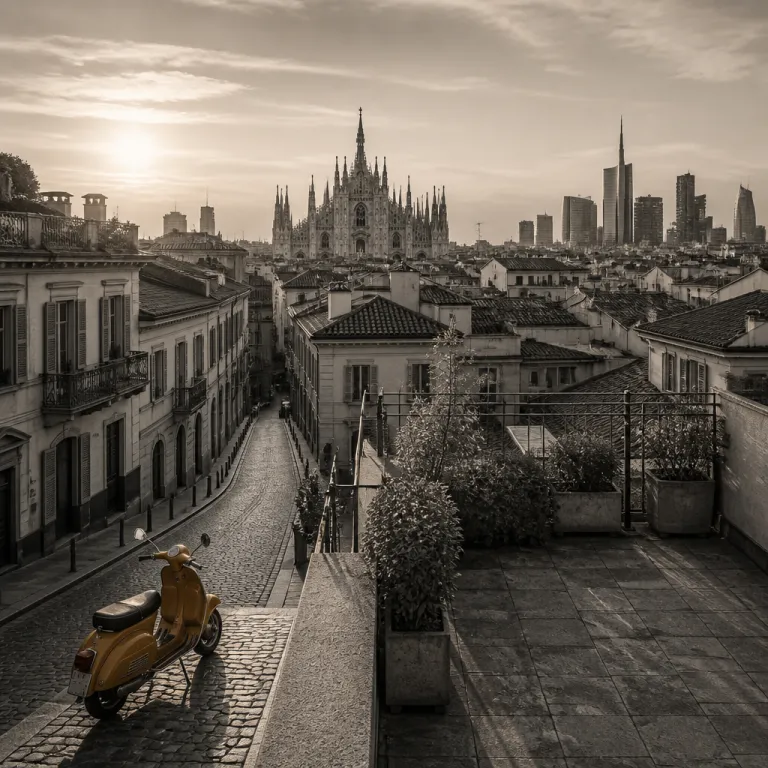
How this Milan Italy travel guide helps you choose your area
Milan is a layered city where every neighborhood shapes a different stay. This Milan Italy travel guide focuses on where to sleep so that your hotel choice aligns with the art you want to see, the food you hope to taste, and the design you are coming to admire. When you plan even a single day in Milan city with the right base, your time in northern Italy feels calmer, richer, and far more rewarding.
Local guides, hotel concierges, and tourist information centers agree on one thing: “Spring and autumn offer mild weather and fewer crowds.” That single line from the Milan Tourism Board underpins this travel guide, because the best neighborhood for a summer shopping trip may not suit a winter art tour or a quick day trip to Lake Como. Think of this as a practical Milan city guide that will walk you through the historic center and beyond, so you can decide where you will feel most at home after dark.
Every area described here sits within easy reach of the Duomo, Galleria Vittorio Emanuele II, and Sforza Castle, which remain the essential landmarks for anyone visiting Milan. You will see how each district connects to these icons, how long it takes by metro or on foot, and what kind of Italian supper or late aperitivo you can expect at the end of your Milan day. With that framework, your itinerary stops being a vague tour of sights and becomes a clear guide to a Milan city stay that matches your style.
Staying around the Duomo and the historic city center
The area del Duomo is the classic choice for a first visit to Milan Italy. Here the marble spires of the Duomo dominate the skyline, while the arcades of Galleria Vittorio Emanuele II shelter cafés where you can watch the Milanese city rhythm unfold from breakfast to late supper. If your trip is short, this Milan Italy travel guide recommends the Duomo city center when you want to step out of your hotel and be in the middle of everything within seconds.
From a practical perspective, staying near Piazza del Duomo turns every day Milan into a walking tour. You can reach Sforza Castle in about 15 minutes on foot, wander through the art collections of the Pinacoteca Ambrosiana, then cross back through the Galleria Vittorio arcade for an espresso before visiting Milan’s fashion flagships on Via Montenapoleone. For many visitors, this compact itinerary is the best way to experience the city center on a first or second trip, especially if you only have one full day in the city.
There are trade offs. Hotels around the Duomo and the surrounding Milan city streets command some of the highest prices in northern Italy, and the area stays busy from early day tour groups to late night events. If you value quiet nights and hidden gems, you may prefer to sleep in a calmer quarter and use the efficient metro to visit Milan’s central monuments by day, then return to a more residential neighborhood for a slower Italian supper and a different side of Milanese life.
For a detailed breakdown of where to stay in each central district, including the Duomo area and its alternatives, you can consult this independent overview of the best neighborhoods for first time visitors in Milan. It complements this Milan Italy travel guide by mapping walking times, metro lines, and the character of each part of the city center. Use both resources together to refine your own itinerary and decide where you will feel most comfortable returning after a long day trip or evening tour.
Brera and the artistic heart of Milan
North of Piazza del Duomo, Brera offers a softer, more intimate Milan city experience. Cobblestone streets, low rise palazzi, and small art galleries make this quarter ideal for travelers whose Milan Italy travel guide revolves around culture and atmosphere rather than shopping alone. If you plan to visit Milan for its art, design, and food, Brera gives you a refined base that still keeps the Duomo and Galleria Vittorio Emanuele II within a 15 minute walk.
The Pinacoteca di Brera anchors the neighborhood with masterpieces that range from Renaissance altarpieces to modern Italian canvases, turning even a short day Milan itinerary into a deep dive into European art. Around it, you will find design studios, artisan shops, and wine bars where Milanese residents linger after work, which makes Brera one of the best places for an evening food tour or a relaxed supper. Many visitors say that a single Milan day spent between Brera and the nearby Sforza Castle gardens gives them a more human scale view of the city than hours in the busiest shopping streets.
Brera also works well if you are planning a longer trip that includes a day trip to Lake Como or other parts of northern Italy. You can reach Cadorna or Centrale stations quickly by metro or taxi, then return to narrow streets that feel almost like a village within the city center. For travelers visiting Milan for the second or third time, basing your itinerary here rather than directly on Piazza del Duomo will reveal hidden gems, from tiny courtyards to family run trattorie, that rarely appear in a standard travel guide.
Porta Venezia and the new Milanese lifestyle hub
Porta Venezia sits just east of the historic core and has become one of the most dynamic areas for both locals and visitors. This district blends 19th century architecture with contemporary design hotels, creative food concepts, and some of the city’s most inclusive nightlife, making it a compelling choice in any Milan Italy travel guide aimed at modern travelers. If you want to visit Milan and feel part of the current Milanese city scene rather than only its monuments, Porta Venezia is a strong candidate.
From here, you can walk down Corso Buenos Aires for high street shopping by day, then cut back through side streets filled with hidden gems such as independent wine bars and small art spaces. The Giardini Pubblici Indro Montanelli park offers green space for a quiet Milan day, while the metro connects you to the Duomo and Galleria Vittorio Emanuele II in minutes for classic sightseeing. Many travelers find that this balance between residential calm and easy access to the city center makes Porta Venezia one of the best areas for a multi day trip that mixes work, leisure, and perhaps a quick tour of Sforza Castle or Santa Maria delle Grazie.
Porta Venezia is also well placed for exploring wider northern Italy, since Centrale station lies just a couple of metro stops away for trains to Lake Como and beyond. After a day trip, you can return to a neighborhood where Milanese residents gather for aperitivo, then choose between casual Italian supper spots and more experimental design led restaurants. For anyone visiting Milan who values diversity, nightlife, and a sense of everyday city life, this quarter deserves serious consideration in your itinerary.
Navigli and the canals for nightlife and character
Southwest of the Duomo, the Navigli canals offer a very different Milan city atmosphere, especially after sunset. Once working waterways, the Naviglio Grande and Naviglio Pavese now frame one of the liveliest nightlife districts in Milan Italy, lined with bars, trattorie, and small galleries. If your travel guide priorities include long evenings, live music, and late supper by the water, this area can be the best base for your trip.
By day, Navigli reveals quieter streets and hidden gems such as inner courtyards, artisan workshops, and weekend vintage markets that feel far removed from Piazza del Duomo. You can still reach the city center in around 20 minutes by tram or metro, which makes it easy to structure a day Milan itinerary that starts with a tour of the Duomo and Galleria Vittorio Emanuele II, then drifts down to the canals for aperitivo. Many visitors say that this contrast between monumental art in the morning and relaxed canal life in the evening is what makes visiting Milan feel complete.
For travelers planning a longer stay in northern Italy, Navigli can also serve as a base for creative work trips or slow travel. The area attracts designers, photographers, and digital workers who appreciate the mix of historic warehouses and contemporary design studios, and who often use the canals as a starting point for exploring less known parts of the city. If you are using this Milan Italy travel guide to plan a second or third visit, consider spending at least one Milan day based here to experience a more bohemian side of the Milanese city.
Santa Maria delle Grazie, Sforza Castle and cultural stays
West of the Duomo, the area around Santa Maria delle Grazie and Sforza Castle suits travelers whose Milan Italy travel guide is built around art history. Santa Maria delle Grazie houses Leonardo da Vinci’s The Last Supper, which must be reserved well in advance and often dictates the shape of a day trip into the city. Staying nearby turns that fixed time slot into the center of a relaxed itinerary rather than a stressful dash across town.
From this quarter, you can walk through tree lined streets to Sforza Castle, whose museums hold everything from Renaissance art to musical instruments, making it one of the best cultural stops in Milan city. The surrounding Parco Sempione offers space to pause between visits, which is especially valuable if you are traveling with family or planning a multi day Milan day sequence of museums and galleries. You remain close enough to reach Piazza del Duomo and Galleria Vittorio Emanuele II on foot, yet far enough to enjoy quieter evenings and more residential food options for supper.
This area also works well for travelers combining Milan Italy with wider northern Italy, since Cadorna station offers trains towards Lake Como and the Malpensa Express airport service. After a day trip, returning to streets that mix embassies, schools, and local cafés gives you a sense of everyday Milanese life that many central hotels lack. For anyone visiting Milan primarily for Leonardo da Vinci, classical art, and a calmer city center experience, this neighborhood deserves a prominent place in your travel guide and final hotel shortlist.
Planning your Milan itinerary, day trips and practical tips
Once you have chosen your preferred neighborhood, you can shape a Milan Italy travel guide itinerary that balances city sights with rest. A classic first day Milan plan starts at the Duomo, continues through Galleria Vittorio Emanuele II, pauses in Piazza del Duomo, then moves on to Sforza Castle and Parco Sempione before supper in Brera or Navigli. On a second Milan day, many travelers visit Santa Maria delle Grazie for Leonardo da Vinci’s masterpiece, explore hidden gems in Porta Venezia or the canals, and finish with an Italian food tour focused on regional dishes from across northern Italy.
If you have three or more days in Milan city, consider adding a day trip to Lake Como, which is reachable in around one hour by train from Centrale or Cadorna. This combination of urban design, historic art, and lakeside landscapes shows why visiting Milan works so well as a base for a wider northern Italy trip. Remember to purchase tickets for major attractions in advance, use public transport to move efficiently between the city center and outlying districts, and learn a few Italian phrases to deepen your contact with Milanese hospitality staff and local guides.
Finally, keep an eye on time and energy when planning each tour, because Milan’s density of art, food, and design can be overwhelming in a single day. Aim for two or three major visits per day Milan, then leave space for unplanned walks, café stops, and spontaneous discoveries in streets away from Piazza del Duomo. With that balance, your Milan Italy travel guide becomes not just a checklist of monuments but a thoughtful framework for experiencing the city as both a visitor and a temporary resident.
Key figures for Milan stays and tourism
- Milan welcomes around 9,000,000 annual tourists according to the Milan Tourism Board’s latest published statistics (2022 report), which means booking central hotels early is wise during peak months.
- The average hotel price in Milan is about 150 EUR per night based on data from the Milan Hotel Association and city tourism reports (2023 averages), though rates in the Duomo area can be significantly higher.
- Tourism in Milan is described as year round, with spring and autumn offering the most comfortable temperatures for walking between neighborhoods.
- Local authorities report a rise in sustainable tourism and increased use of digital travel guides, which makes public transport and walking tours more convenient than ever.
FAQ about staying in Milan
What is the best time to visit Milan for a city break
Spring and autumn bring mild temperatures and fewer crowds, which makes walking between the Duomo, Brera, Porta Venezia, and Navigli more pleasant. Summer can be hot and busy, while winter offers a festive atmosphere and potentially lower hotel prices. For most travelers planning a short trip focused on sightseeing and food, late April to early June and late September to October work particularly well.
Is Milan expensive for tourists choosing central hotels
Milan can feel expensive, especially around Piazza del Duomo and the fashion district, where nightly rates and restaurant prices are among the highest in Italy. However, areas such as Porta Venezia and parts of Navigli often offer better value while still keeping you close to the city center. Costs vary widely, so comparing neighborhoods and booking early usually helps secure a good balance between location and budget.
Which neighborhoods are best for first time visitors
For a first visit, the Duomo area and the broader historic city center are ideal if you want to walk to most major sights. Brera suits travelers who prioritize art, design, and a village like atmosphere, while Porta Venezia appeals to those seeking a more contemporary Milanese lifestyle. Navigli works well for visitors who value nightlife and character, accepting a slightly longer ride to the Duomo in exchange for evenings by the canals.
How many days do I need in Milan before a Lake Como day trip
Plan at least two full days in Milan city before adding a day trip to Lake Como, so you can see the Duomo, Galleria Vittorio Emanuele II, Sforza Castle, and at least one neighborhood such as Brera or Navigli. With three or four days, you can include Santa Maria delle Grazie and more local experiences without rushing. This pacing keeps your itinerary realistic and leaves time for relaxed suppers and unplanned walks.
What are must see attractions for a short Milan stay
For a brief trip, prioritize the Duomo, Galleria Vittorio Emanuele II, and Sforza Castle, which together give a strong sense of Milan’s history and architecture. If possible, add Santa Maria delle Grazie to see Leonardo da Vinci’s The Last Supper, booking tickets well ahead. Beyond these, choose one neighborhood such as Brera, Porta Venezia, or Navigli to experience everyday Milanese life alongside the major monuments.
Trusted references for further planning
For deeper practical details on Milan and northern Italy, consult the official websites of the Milan Tourism Board, Trenitalia for rail connections including Lake Como routes, and the Italian National Tourist Board for broader regional information.