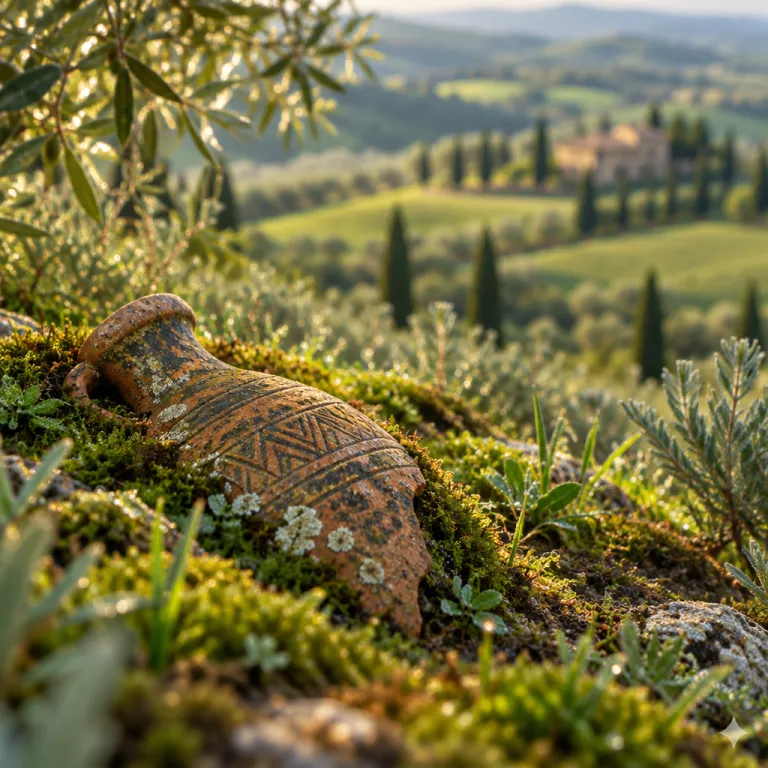
Etruscan tours in Italy as a refined escape from Milan
Staying in Milan places you within easy reach of some of the most atmospheric Etruscan-focused tours in Italy. A well-chosen hotel near Milano Centrale or Cadorna station will turn the ancient Etruscan heartlands into effortless day excursions by rail or private driver. From this urban base in northern Italy, you can balance design-focused city stays with journeys into landscapes shaped by Etruscan civilization and layered Roman history.
Many travellers pair a Milan stay with a dedicated Etruscan itinerary that begins or ends in Rome, using the Lombard capital as a stylish prologue or finale. This strategy lets you enjoy Milan’s galleries and aperitivo culture, then transfer south by high-speed train to Rome, Italy, for immersive archaeological museum visits and guided walking tours. When you plan this way, your Milan hotel becomes the anchor for a wider itinerary that includes both lakeside retreats and UNESCO World Heritage explorations in central Italy.
While Milan itself is not an ancient Etruscan city, it is an ideal starting point for curated journeys that focus on Etruscan artefacts and archaeological museums further south. You can book a hotel package that includes rail tickets and a pre-arranged day tour from Rome to Tarquinia, Cerveteri or Cortona, combining modern comfort with access to national archaeological collections. This blend of contemporary Milanese hospitality and ancient heritage site visits will appeal to travellers who value both design and depth.
Planning lakes and countryside escapes from a single Milan hotel base
Choosing one well-located Milan hotel as your single base allows you to alternate between lake escapes and Etruscan-themed excursions in Italy without constant packing. From Milano Centrale, fast trains will take you to Lake Como, Lake Garda or Lake Maggiore for a day of fresh air before you continue south to Rome for an archaeological museum-focused weekend. This refined rail strategy is outlined in detail in this guide to day trips from Milan by train from a single hotel base, which pairs perfectly with itineraries centred on ancient Etruscan culture.
On one day you might cruise from Como city to Bellagio, then return to your Milan hotel for a late dinner and quiet night. The next day you can board an early train to Rome, Italy, where a pre-booked walking tour will visit the national Etruscan collections at Villa Giulia and the Gregorian Etruscan galleries in Vatican City. A realistic pattern is to leave Milano Centrale around 07:00 on a Frecciarossa service, reach Roma Termini shortly before 10:00, then join a 10:30–11:00 tour slot; Trenitalia publishes current timetables and journey times on its official website.
Travellers who appreciate structure often reserve a hotel near Porta Garibaldi or Brera, where evening restaurants and wine bars complement daytime excursions. From here, you can plan a sequence of tours including a national archaeological museum visit in Florence, a day tour to Cortona in Tuscany, and a heritage site excursion to Tarquinia’s painted tombs. One Rome-based guide likes to suggest an early start for Tarquinia, a long lunch in the historic centre, then a late-afternoon train back north so that each return to Milan feels like coming home while your Etruscan journeys gradually reveal the sophistication of this ancient civilization.
From Milan to Rome and Tarquinia: where Etruscan history comes alive
Many of the most compelling Etruscan tours in Italy unfold between Rome and the Tyrrhenian coast, easily reached after a direct train from Milan. Once checked into your chosen hotel in the capital city, you can join a small-group day tour that focuses on Tarquinia and its UNESCO-listed necropolis. These excursions usually include transport, a guided visit to the archaeological museum, and time among the painted tombs that transformed understanding of Etruscan civilization.
In Tarquinia, the national archaeological museum holds grave goods and Etruscan artefacts recovered from nearby tombs, including pieces that illustrate daily life, religion and trade. A well-structured tour will visit both the museum and the tombs, allowing you to connect the objects with the frescoes that once surrounded them underground. When guides explain how each heritage site fits into the wider story of central Italy, the experience feels far richer than a simple checklist of museums.
The necropolis itself is a UNESCO World Heritage Site where you can enter tombs such as the Tomb of the Leopards, the Tomb of the Triclinium and the evocatively named Tomb of the Infernal Chariot. Some specialist tours highlight the infernal chariot motif and other scenes that reveal ancient beliefs about the afterlife and the underworld. After a full day among these ancient Etruscan spaces, many travellers appreciate returning to a calm hotel in Rome before heading back to Milan for more lakes and countryside escapes.
Villa Giulia, Gregorian Etruscan galleries and the power of museums
For guests who value context, the most rewarding Etruscan-themed trips in Italy always include time in carefully curated museums. In Rome, Italy, the National Etruscan Museum at Villa Giulia offers one of the finest overviews of Etruscan civilization, from early village life to sophisticated city-states. A guided walking tour through its galleries will visit masterpieces such as the Sarcophagus of the Spouses and intricate grave goods that once lay in tombs across Lazio and Tuscany.
Across the Tiber in Vatican City, the Gregorian Etruscan Museum forms part of the Vatican Museums complex and focuses on Etruscan artefacts collected over centuries. Many itineraries combine a morning at Villa Giulia with an afternoon in the Gregorian Etruscan galleries, creating a national archaeological narrative that complements visits to outdoor heritage sites. When you return to your Milan hotel after such a museum-rich day tour, the city’s contemporary architecture feels like a natural continuation of Italy’s layered story.
Travellers often underestimate how much time they will want to spend in these Etruscan museums, especially when tours include both permanent collections and temporary exhibitions. To avoid fatigue, plan a flexible schedule that allows for a leisurely lunch or early dinner between museum visits in the city. One practical tip is to pre-book timed entries for late morning and mid-afternoon, then keep your evening free for a relaxed train back north to Milan so that each archaeological museum, from Villa Giulia to the national Etruscan collections, can be appreciated without rushing.
Cortona, Tuscan hills and pairing countryside stays with Milan hotels
While Milan anchors your urban experience, adding Cortona to your Etruscan tours in Italy introduces a very different atmosphere. This hilltop city in eastern Tuscany, made famous by literature and film, sits above the Val di Chiana and preserves layers of ancient Etruscan walls and gates. A day tour from Florence or an overnight stay in Cortona pairs beautifully with a longer Milan hotel booking, giving you both countryside calm and city energy.
The local archaeological museum in Cortona, the MAEC, presents Etruscan artefacts found in the surrounding territory, including grave goods from tumulus tombs and domestic objects from rural settlements. Many guided tours will visit both the museum and nearby archaeological sites, sometimes including a walking tour through the medieval streets that follow much older Etruscan lines. When you return to Milan after such an excursion, the contrast between Tuscan stone lanes and Lombard avenues underlines the diversity of Italy’s regions.
Some travellers choose to split their time between a Milan hotel and a small property near Cortona, using the latter as a base for countryside walks and vineyard visits. This arrangement works especially well if your Etruscan-focused travels also include Tarquinia, Rome and perhaps a heritage site in Umbria, creating a loop that connects multiple national archaeological centres. Throughout, you will appreciate how each city, from Cortona to Rome, adds a new chapter to the story of Etruscan civilization.
Designing your Milan hotel stay around Etruscan themed rail journeys
When you plan Etruscan tours in Italy from Milan, the choice of neighbourhood shapes your experience as much as the tours themselves. Staying near Brera or Porta Nuova gives you easy access to Milano Centrale for early trains, while surrounding streets offer refined restaurants for a late dinner after long museum days. For a detailed look at this area, consult this guide to staying near the Brera district in Milan and planning your visit, then align your hotel choice with your planned day tour schedule.
A typical pattern might see you spend one day on Lake Como, another on Lake Maggiore, then travel to Rome, Italy, for two days focused on national Etruscan collections and Tarquinia’s UNESCO World Heritage site. Each segment can include a guided walking tour, a structured visit to an archaeological museum, and time for independent exploration in the city. By returning to the same Milan hotel after each excursion, you reduce logistical stress and gain more time to appreciate both contemporary design and ancient Etruscan heritage.
When reviewing hotel options, consider early breakfast availability, proximity to tram or metro lines, and the possibility of late check-out on days when you will visit multiple museums. These practical details matter when your itinerary includes long rail journeys, intensive tours and evening dinner reservations in Milan or Rome. With thoughtful planning, your Milan stay becomes the elegant framework that supports a sequence of Etruscan tours in Italy, from Tarquinia’s tombs to Cortona’s hills and the galleries of Vatican City.
Key statistics for planning Etruscan themed escapes from Milan
- Tarquinia and Cerveteri were inscribed as a single UNESCO World Heritage Site in 2004, recognising their painted tombs as the most important evidence of ancient Etruscan funerary art (UNESCO World Heritage Centre, official listing).
- The National Etruscan Museum at Villa Giulia in Rome holds more than 8,000 catalogued objects, including the Sarcophagus of the Spouses and major grave goods collections from Lazio and Umbria (Italian Ministry of Culture data, museum inventory summaries).
- High-speed trains connect Milan and Rome in approximately 2 hours 55 minutes on the fastest Frecciarossa services, allowing realistic weekend itineraries that combine a Milan hotel stay with Etruscan museum visits in the capital (Trenitalia timetable data; see current schedules on the Trenitalia booking portal).
- Lake Como receives an estimated 1.4 million visitors annually, many of whom base themselves in Milan and use regional trains for day trips that pair lakeside scenery with cultural tours elsewhere in Italy (Lombardy regional tourism statistics and visitor reports).
- The Vatican Museums, which include the Gregorian Etruscan Museum, welcomed over 6 million visitors in the last pre-pandemic year, underlining the need to pre-book timed tickets when combining Milan stays with Etruscan-focused days in Vatican City (Vatican Museums official visitor statistics).
FAQ about Etruscan tours in Italy from a Milan hotel base
Can I visit key Etruscan sites on day trips while staying in Milan ?
Reaching major Etruscan sites such as Tarquinia or Cortona directly from Milan as a same-day return is technically possible but demanding. For example, a Milan–Rome–Tarquinia round trip can involve more than eight hours of travel. A more comfortable approach is to use Milan as your main base, then plan an overnight stay in Rome or Tuscany for focused Etruscan tours in Italy. This structure lets you enjoy lakes and countryside escapes from Milan while still dedicating proper time to each archaeological museum and heritage site.
Which Etruscan museums pair best with a Milan city break ?
The National Etruscan Museum at Villa Giulia in Rome and the Gregorian Etruscan Museum in Vatican City are the most natural complements to a Milan city stay. Both institutions offer extensive collections of Etruscan artefacts, from monumental sculpture to intimate grave goods, and can be visited over two relaxed days. You can travel from Milan to Rome, Italy, by high-speed train, spend one night in the capital, then return to your original hotel in Milan.
How should I time lake excursions and Etruscan themed tours in one trip ?
Many travellers begin with one or two days on Lake Como or Lake Maggiore while based in Milan, then continue south for Etruscan tours in Italy centred on Rome and Tarquinia. This order allows you to adjust to local time and pace before tackling museum-rich days and archaeological site visits. Returning to Milan at the end for final shopping and a farewell dinner creates a satisfying arc to the journey.
Is it better to join group tours or arrange private Etruscan visits ?
Group day tours from Rome to Tarquinia, Cerveteri or Cortona offer good value and structured access to national archaeological sites and museums. Private tours provide more flexibility, especially if you want extended time in specific galleries such as Villa Giulia or the Gregorian Etruscan Museum. When staying in Milan, many guests choose a mix of both, using group options for major highlights and private guides for deeper exploration.
What should I look for in a Milan hotel if I plan several rail based tours ?
Prioritise hotels with easy access to Milano Centrale or Porta Garibaldi, early breakfast service and reliable luggage storage. These features make early departures for Rome, Florence or lakeside cities smoother, especially when your itinerary includes multiple Etruscan tours in Italy. Quiet rooms, flexible check-in policies and concierge support for restaurant and museum reservations will further enhance your stay.