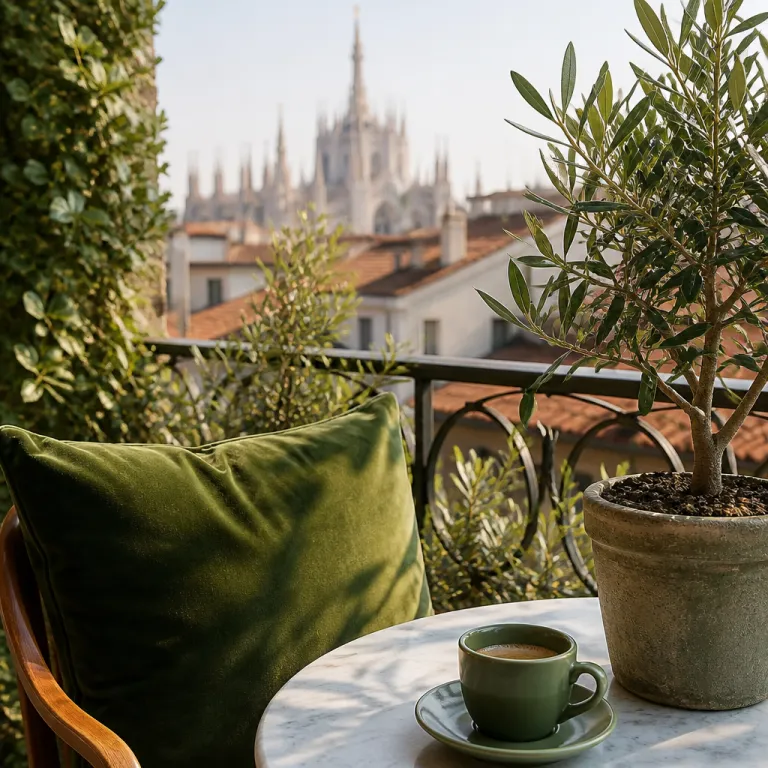
Is Milan worth visiting for a hotel-based city escape
Milan in northern Italy is absolutely worth visiting for a hotel focused city escape. When travellers ask whether is Milan worth visiting, they are really asking if the city will reward their time, money, and curiosity. For anyone who loves art, fashion, and urban energy, the answer is yes.
Official tourism statistics indicate that Milan welcomed around 6.9 million international visitors in 2023, according to data referenced by the Milan Tourism Board, which already signals how much this city captivates travellers. Those visitors do not come only for a quick day trip; they come because Milan is worth the journey as a complete urban experience with rich layers of culture. If you plan to visit Milan for several days, the range of hotels near the city center makes it easy to turn the city into your temporary home.
Many first time visitors worry that a single day in Milan might be enough and that the city is only about business and fashion week. Spend one evening walking from the Duomo to the Galleria Vittorio Emanuele II and then towards the opera house of Teatro alla Scala, and you will see how wrong that assumption is. The combination of illuminated façades, live music, and late Italian supper in nearby streets makes the area around Piazza del Duomo feel like an open air living room.
Is Milan worth visiting if you mainly care about art and history rather than shopping? The city answers that question through its dozens of museums, as reported by the Milan Cultural Department, and through masterpieces such as the Duomo di Milano and the mural of The Last Supper. When you stay in a central hotel, you can walk to these landmarks in minutes and still have time for hidden gems in quieter neighbourhoods.
Some travellers compare Milan with a Lake Como resort stay and wonder which trip offers better value. Lake Como is idyllic for scenery and slow days, while Milan is best for culture dense visiting with efficient transport and late night dining. The smartest itineraries combine both, using Milan as a base for a day trip to Lake Como and returning to the city for an elegant supper.
From a practical perspective, the city is compact enough that you can cross much of central Milano on foot in less than a day. That scale makes it easy to choose a hotel near the city center and reduce your reliance on taxis, which is especially helpful if you travel with family or heavy luggage. When you evaluate whether Milan is worth the cost of a European city break, factor in how much time you save by staying close to the main attractions.
Quick plan for a first visit
- Day 1: Check in near the Duomo, explore Milan Cathedral and Galleria Vittorio Emanuele II, then walk to Teatro alla Scala and finish with supper around Piazza del Duomo.
- Day 2: Visit Sforza Castle and Parco Sempione, see The Last Supper at Santa Maria delle Grazie, and spend the evening in Brera.
- Day 3: Take a day trip to Lake Como in the morning and return for aperitivo and nightlife in Navigli.
How your arrival shapes where to stay in Milan
When deciding is Milan worth visiting, you should also consider how you arrive and how that affects your hotel choice. The city has three main airports, and each one changes the time you spend reaching your room in Milano. Understanding this will help you plan a smoother trip and a more relaxed first day.
Travellers landing at Malpensa often choose hotels near the central station area, because the express train arrives there in about 50 minutes and reduces transfer time. Those who fly into Linate sometimes prefer to stay closer to the Duomo and the city center, since taxis and buses reach Piazza del Duomo in roughly 20 to 30 minutes from this smaller airport. If you arrive via Bergamo Orio al Serio for a low cost flight, you will usually take a coach to the station in about an hour and then continue by metro to your chosen neighbourhood.
For a detailed breakdown of how airport choice influences neighbourhood selection, the guide on cheap flights to Milan and where to stay is particularly useful. It explains how to match your arrival airport with areas that keep your first day Milan logistics simple. This kind of planning often decides whether your first impression of the city feels effortless or exhausting.
Is Milan worth visiting if you land late at night and worry about safety or transport? In my experience, the main station area and the streets between there and the Duomo remain active until late, with plenty of taxis and trams. Choose a hotel on a well lit street near a metro stop, and your late arrival will still feel manageable.
Many travellers also ask whether they should stay near the Duomo area or closer to Sforza Castle and Parco Sempione. The Duomo side is best if you want immediate access to Galleria Vittorio Emanuele II, the cathedral rooftop, and the densest cluster of things Milan is famous for. The castle and park side offers more greenery and slightly calmer evenings, while still keeping you within walking distance of the city center.
Whichever airport you use, book your first night in advance and keep your hotel address ready in Italian for taxi drivers. This small step will save you time and stress, especially after a long travel day. It is one of those details that quietly makes Milan worth visiting because the city then welcomes you with efficiency rather than confusion.
Iconic Milan neighbourhoods to stay for first time visitors
Choosing the right neighbourhood is often what finally convinces travellers that Milan is worth the effort of planning. Each district offers a different answer to the question is Milan worth visiting, depending on whether you prioritise art, nightlife, or quiet streets. For a first trip, staying in or near the city center usually delivers the best balance.
The Duomo and Piazza del Duomo area is the classic choice, placing you beside Milan Cathedral, Galleria Vittorio Emanuele II, and the elegant arcades that define the heart of Milano. From a hotel here, you can walk to the opera house of Teatro alla Scala, the Sforza Castle, and Parco Sempione in a single day without rushing. This concentration of landmarks means that every hour of visiting feels productive, which is crucial if you have limited time.
Brera, just north of the Duomo, is ideal for travellers who value art and atmosphere. Its cobbled streets, galleries, and the Pinacoteca di Brera museum create a refined yet relaxed setting that feels distinctly Italian. Many guests say that an evening supper in Brera, after a day trip to Lake Como or a long museum visit, is what made their visit to Milan unforgettable.
Navigli, by contrast, appeals to those who want nightlife, canals, and hidden gems in side streets. Here you will find small art studios, vintage shops, and informal places for an aperitivo before supper along the water. Staying in Navigli still keeps you within a short tram ride of the Duomo area, but the ambience is more bohemian than monumental.
For a structured overview of where to stay, the resource on best neighbourhoods in Milan for first time visitors provides clear comparisons. It explains which districts are best for fashion, which for museums, and which for quieter nights, helping you align your hotel choice with your personal idea of worth visiting. This alignment is what transforms a simple hotel booking into a well designed city experience.
Porta Nuova and the area around Corso Como suit travellers interested in contemporary architecture and the business side of the city. Here, glass towers rise above restored warehouses, and you can walk from modern squares to traditional trattorias for Italian supper in minutes. Staying in this district shows another face of Milan, proving that the city is not only about historic stones but also about present day innovation.
Art, history, and design that make Milan worth visiting
Any serious answer to is Milan worth visiting must address the city’s art and history. Milan in Italy has been a crossroads of power, religion, and commerce for centuries, and that story is written into its stones. Staying in a central hotel allows you to read that story at your own pace.
The Duomo is the obvious starting point, a Gothic cathedral whose rooftop terraces offer one of the best views in the city center. From there, you can walk directly into the Galleria Vittorio Emanuele II, a 19th century arcade where fashion, architecture, and daily life blend under a glass dome. This short walk alone shows why visiting Milan is about more than shopping; it is about moving through living history.
Just a few minutes away stands Teatro alla Scala, the opera house that has hosted the greatest voices in Italian music. Even if you do not attend a performance, a guided visit to its museum reveals costumes, scores, and portraits that bring the art of opera to life. For many travellers, this combination of Duomo, Galleria Vittorio Emanuele, and opera house in a single day in Milan makes the trip feel intensely rewarding.
To the northwest of the Duomo lies Sforza Castle, a fortress that now houses several museum collections. Inside, you will find works of art, historical artefacts, and even Michelangelo’s unfinished Pietà Rondanini, all under one roof. Stepping out into Parco Sempione behind the castle, you can pause by the lake and reflect on how many layers of Italian history you have just crossed.
No discussion of whether Milan is worth visiting would be complete without Santa Maria delle Grazie, the church that shelters Leonardo da Vinci’s The Last Supper. The official description in the dataset states clearly that The Last Supper is Leonardo da Vinci's famous mural, and seeing it in person is a moment many travellers describe as transformative. Because access is tightly controlled, you should book tickets well in advance and plan your hotel location so that reaching the church is simple.
Beyond these headline sites, the city offers smaller museums and hidden gems such as design galleries, private palazzi, and contemporary art spaces. With dozens of museums across the city, according to the Milan Cultural Department, you can easily dedicate an entire day trip within Milan just to art. This density of culture is a central reason why many repeat visitors say that Milan is worth not only one visit but several.
Fashion, food, and everyday life around your Milan hotel
People often ask is Milan worth visiting if they are not obsessed with fashion. The answer is yes, because the fashion scene shapes the city’s streets, cafés, and rhythm in ways that any traveller can enjoy. Staying near the main shopping axes lets you feel that energy without needing to attend a runway show.
Quadrilatero d’Oro, the luxury fashion district near the Duomo and Galleria Vittorio Emanuele II, is where global brands present their most refined collections. During fashion week, the area becomes a stage where models, buyers, and photographers turn the city center into a moving theatre of style. Even outside those days, window displays and carefully dressed locals make a simple walk feel like a curated experience.
Food is another reason Milan is worth a place on your travel list, especially if you choose a hotel near lively dining streets. Traditional trattorias serve risotto alla milanese, ossobuco, and other regional dishes that pair beautifully with a late Italian supper. In Navigli and Brera, aperitivo culture means that for the price of a drink you can enjoy generous buffets, turning early evening into one of the best times for people watching.
Everyday life in Milano also unfolds in its markets, bakeries, and neighbourhood cafés. Staying slightly away from the most touristed streets can reveal hidden gems such as family run pastry shops or small wine bars where staff will gladly explain local labels. These encounters often become the memories that make visiting Milan feel personally meaningful rather than generic.
For travellers planning a mixed city and lake itinerary, Milan is an excellent base for a day trip to Lake Como. Morning trains from the central station reach Como in under an hour, according to typical regional timetables, allowing you to enjoy the lake and still return to the city for an evening performance at the opera house or a relaxed supper near Piazza del Duomo. This flexibility is part of what makes the city worth visiting for longer stays, not only for a quick weekend.
When you weigh whether is Milan worth visiting compared with other Italian cities, consider how easily you can combine fashion, food, and culture in a single day. Few places allow you to start with a museum visit, continue with shopping in Galleria Vittorio Emanuele, and end with a canal side drink in Navigli without long transfers. That compact richness is Milan’s quiet luxury.
Practical tips for choosing the right Milan hotel
Once you have decided that Milan is worth a place on your itinerary, the next step is choosing the right hotel. Your decision will shape how you experience the city from morning coffee to late night walks. A well located base can turn every day in Milan into a sequence of short, pleasant strolls rather than long commutes.
For most first time visitors, staying within or just beyond the inner ring roads keeps you close to the Duomo, Sforza Castle, and Parco Sempione. This area offers the best access to major museums, the opera house, and the main shopping streets, which is essential if you want to maximise your time. When you look at a map, aim for walking distances of under 20 minutes to Piazza del Duomo, and your stay will feel far more relaxed.
Travellers who prioritise art should consider hotels near Santa Maria delle Grazie, where Leonardo da Vinci’s The Last Supper is housed. Being nearby makes it easier to reach early morning or late afternoon time slots, which are often the most atmospheric. From this area, you can also walk to the city center or take a short tram ride to other museums and hidden gems.
If nightlife and dining are your main interests, Navigli and Porta Romana provide excellent options. Here you will find a dense concentration of bars, trattorias, and wine bars where Italian supper stretches late into the night. Just ensure that your room has good sound insulation if you are sensitive to noise, because these districts stay lively.
For a deeper dive into how to match your preferences with specific districts, consult the guide on choosing the right hotel in Milan city center. It breaks down the pros and cons of different areas, helping you decide whether a central, artistic, or more residential setting will make Milan worth visiting for you personally. Using such a resource before booking can prevent disappointment and ensure that your hotel supports your travel style.
Whatever area you choose, book tickets in advance for major attractions like the Duomo rooftop and The Last Supper, and wear comfortable shoes for walking tours. These simple habits, combined with a thoughtful hotel choice, will make each visit to Milan smoother and more rewarding. They are the practical foundation beneath the emotional answer to is Milan worth visiting.
Sample hotel options by budget
- Budget: A simple three star hotel near Milano Centrale or Porta Garibaldi often starts around €90–€130 per night for a double room outside peak fashion weeks.
- Mid range: Boutique properties in Brera or near the Duomo typically range from about €170 to €250 per night, depending on season and cancellation terms.
- Luxury: Five star hotels close to Quadrilatero d’Oro or Piazza del Duomo frequently begin around €400–€600 per night, with suites and fashion week dates priced higher.
Key statistics that show why Milan is worth visiting
- Milan welcomed about 6.9 million international visitors in 2023, according to figures referenced by the Milan Tourism Board, which places the city among the most visited destinations in Europe.
- The city offers several dozen museums, based on data from the Milan Cultural Department, giving art and history lovers enough content for several full days of visiting.
- The average annual temperature in Milan is roughly 13 to 15 °C, as reported by the Milan Meteorological Institute, which makes spring and autumn the best seasons for comfortable walking.
- Official guidance from local tourism bodies confirms that spring and autumn are considered the best time to visit Milan, because the weather is mild and crowds are more manageable than in peak summer.
- According to the context data, Milan is recognised as a hub of art, fashion, and history, which aligns with the city’s role as host of major fashion week events and international exhibitions.
FAQ: is Milan worth visiting for your next hotel stay
Is Milan worth visiting
Yes, Milan is worth visiting for its rich culture, history, and fashion. The city combines world class art, such as Leonardo da Vinci’s The Last Supper, with major landmarks like the Duomo and Sforza Castle. It also offers excellent shopping, dining, and transport connections for both city breaks and longer trips.
What is Milan famous for
Milan is famous for fashion, art, and historical landmarks. The city hosts one of the world’s most influential fashion week calendars and is home to Galleria Vittorio Emanuele II, Teatro alla Scala, and Milan Cathedral. It also plays a central role in Italian finance and design, giving it a distinctive modern character.
When is the best time to visit Milan
The best time to visit Milan is in spring and autumn, when temperatures are mild and walking around the city center is comfortable. These seasons usually bring fewer crowds than peak summer, making it easier to enjoy museums and major sites. They also align with many cultural events, exhibitions, and some fashion related activities.
How many days do you need in Milan
Most travellers should plan at least two to three full days in Milan. This allows time to see the Duomo, Galleria Vittorio Emanuele II, Sforza Castle, Parco Sempione, and The Last Supper without rushing. With four or five days, you can add neighbourhood exploration and a day trip to Lake Como.
Is Milan a good base for visiting Lake Como
Yes, Milan is an excellent base for visiting Lake Como because frequent trains connect the city to Como in under an hour. Many visitors stay in Milan for the museums, shopping, and dining, then take a day trip to the lake. This approach combines urban culture with lakeside scenery in a single itinerary.
Trusted references for planning your Milan stay
- Milan Tourism Board
- Milan Cultural Department
- Milan Meteorological Institute