How this Milan Italy food guide helps you choose the right hotel
Choosing a hotel in Milan Italy is easier when you understand how the city eats and where locals actually dine. In this Milan Italy food guide, the focus is on where cuisine, neighbourhoods, and convenient dining intersect so that your stay feels both delicious and practical. When you match your hotel location to the best restaurants and authentic local food experiences, you save time, avoid tourist traps, and enjoy far better meals.
Milan is a dense northern Italy metropolis, and each district offers a different relationship with food and dining. Around the Duomo and Galleria, you are close to historic cafés, elegant Italian restaurant terraces, and late open dinner options that suit business travellers and weekend visitors. In contrast, staying in Navigli or Porta Romana places you near canals, wine bars, and vibrant street food markets that showcase both traditional dishes and modern cuisine in a more relaxed setting.
For hotel guests who care about good food, proximity to reliable restaurants in Milano matters as much as room size or spa access. If you want easy access to risotto alla Milanese, cotoletta alla Milanese, and refined gelato, look for properties within walking distance of Brera, Porta Venezia, or the Quadrilatero della Moda. Hotels such as Room Mate Giulia near the Duomo, Hotel Spadari al Duomo, or the more design focused Nhow Milano in Navigli place you within a 5–15 minute walk of excellent trattorie and wine bars. This guide to Milan treats the city’s food scene as a core part of your itinerary, not an afterthought squeezed between meetings, shopping, or museum visits.
Essential Milanese dishes every hotel guest should try
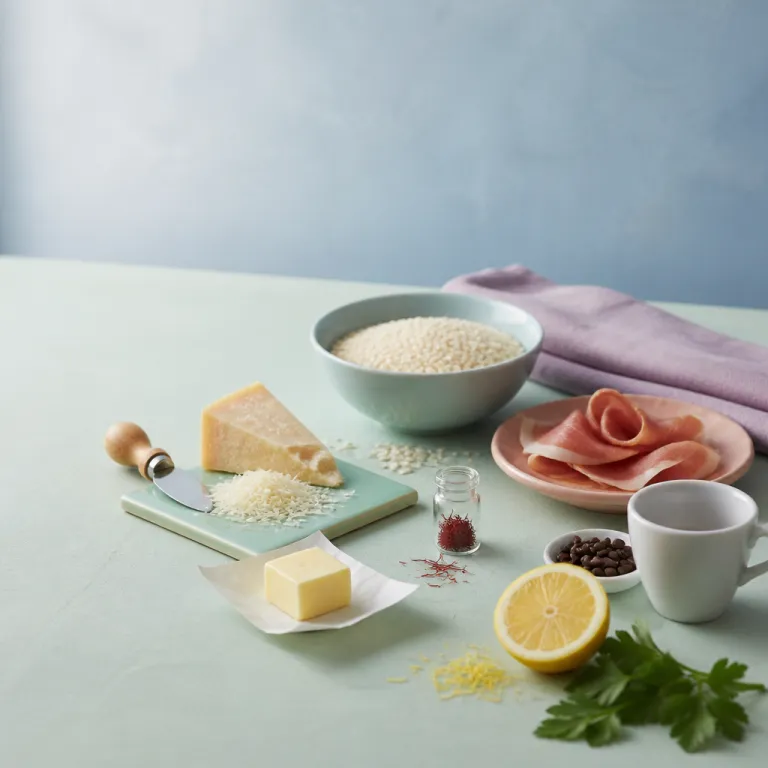
Any serious Milan Italy food guide must start with the classics that define the city’s table. The most emblematic dish is risotto alla Milanese, a saffron infused rice preparation whose golden colour reflects both Lombard tradition and the city’s historic wealth. When you book a hotel, check which nearby restaurants in Milan specialise in this risotto alla style, because quality varies widely between a tourist menu and a kitchen that respects slow cooking and proper stock.
Cotoletta alla Milanese is another pillar of Milan food culture, a veal cutlet fried in butter that should arrive thick, juicy, and crisp rather than thin and dry. Many Italian restaurants in Milano offer both single cotoletta alla portions and generous sharing platters, which work well if you are dining with colleagues after a conference or trade fair. Ask your concierge to recommend the best restaurants where locals go for this dish, as Milanese families are fiercely loyal to their preferred addresses and rarely compromise.
Beyond these icons, explore ossobuco with gremolata, creamy polenta from northern Italy, and seasonal dishes such as minestrone or braised meats. Traditional Milanese cuisine is richer and more butter based than coastal Italian cooking, which pairs beautifully with a glass of Lombard red wine on a cool evening. When you plan your stay, allow enough time in your schedule for at least one leisurely lunch and one fine dining tasting menu that showcase these regional dishes at their best and most refined. For a classic experience, for example, many visitors book a table at Ratanà in the Porta Garibaldi area or at Trattoria Milanese near the city centre, both reachable by taxi in about 10–15 minutes from most central hotels.
Where to stay in Milan for the best food access
Location is everything when you want both a comfortable hotel and excellent food in Milan. Around the Duomo, Scala, and Galleria Vittorio Emanuele II, you are surrounded by historic cafés, pastry shops, and Italian restaurant terraces that serve refined Milan food all day. This central area suits first time visitors who want to walk from their hotel to major sights and then to nearby restaurants for an easy open dinner without long taxi rides or complex metro changes.
Brera and Porta Venezia offer a slightly quieter atmosphere, with cobbled streets, art galleries, and a mix of traditional trattorie and contemporary cuisine. Guests staying here can enjoy some of the best food in the city, from risotto alla Milanese at classic dining rooms to creative pizza and gelato parlours that stay open late. These neighbourhoods also work well if you plan a guided food tour, because many operators start or end their routes near central metro stations and well known piazzas.
For travellers who prefer nightlife and informal dining, Navigli and Porta Romana are ideal bases in Milano. Along the canals you will find street food stalls, wine bars, and casual restaurants in Milan Italy that serve local food until late, which is convenient after a day of meetings or shopping. When comparing hotels, ask specifically about walking distance to your preferred style of restaurant, whether that means Michelin starred fine dining, family run Milanese kitchens, or quick pizza slices between appointments and events. If you stay at a property like The Yard Milano in Navigli or at a business hotel near Porta Romana station, you can usually reach dozens of aperitivo bars and trattorie within a 10 minute stroll.
From street food to fine dining: how to plan your meals
A balanced Milan Italy food guide should help you move confidently between simple snacks and elaborate tasting menus. Start your day with an espresso and pastry at a local bar near your hotel, then plan a light lunch of panini or street food so that you still have appetite for a more substantial dinner. This rhythm suits the city’s pace and allows you to sample both everyday food Milan habits and the more ceremonial side of Milanese dining in the evening.
Street food in Milan has grown rapidly, with markets and food trucks offering arancini, focaccia, and even gourmet pizza slices that rival some sit down restaurants. These options are perfect when you have limited time between museum visits or trade fair sessions, and they let you taste local food without formal reservations or dress codes. In the evening, consider alternating between casual trattorie and one or two fine dining experiences, especially if you are staying near districts known for Michelin starred cuisine.
When you book high end restaurants in Milano, look for venues that offer a clear tasting menu focused on Milanese and northern Italy ingredients. Many of the best restaurants highlight risotto alla Milanese, seasonal vegetables, and freshwater fish from nearby lakes in multi course dining journeys. If you are travelling for business, choose places that respect time by offering both a concise tasting menu and an à la carte option, which keeps your open dinner schedule flexible and predictable. A practical approach is to reserve one special dinner at a destination restaurant and keep the remaining evenings free for spontaneous discoveries near your hotel.
Michelin starred experiences and notable chefs in the city
Milan currently hosts around twenty Michelin starred restaurants, an impressive number for a compact city. According to the 2024 Michelin Guide for Italy, the metropolitan area counts roughly this many starred venues, which helps explain why food focused travellers often base themselves here. For hotel guests who value gastronomy, this concentration of Michelin star venues means you can plan at least one exceptional evening within a short taxi ride. Many of these restaurants in Milan Italy emphasise modern interpretations of Italian cuisine while still honouring Milanese dishes and local food traditions rooted in Lombardy.
Chefs such as Diego Rossi, known for his work at Trippa in Milano, have helped redefine what good food means in a city once dominated by formal dining rooms. While Trippa itself is not Michelin starred, its focus on offal, seasonal produce, and honest Milan food has influenced both casual and fine dining across northern Italy. When you speak with your concierge, ask not only about Michelin starred addresses but also about restaurants where chefs trained under figures like Diego Rossi, because their menus often balance creativity with comfort.
Many Michelin star establishments in Milan offer carefully structured tasting menu options that showcase risotto alla Milanese, innovative pizza reinterpretations, and delicate gelato inspired desserts. Restaurants such as Seta by Antonio Guida at the Mandarin Oriental or Enrico Bartolini at MUDEC, for example, are usually 10–20 minutes away by taxi from central hotels and can anchor a memorable final night. These experiences can be planned as the highlight of your stay, perhaps on the final night before departure, when you have already explored more relaxed restaurants. Remember to reserve well in advance and to check each restaurant’s privacy policy and booking conditions, as some require credit card guarantees or have strict cancellation time limits.
Practical dining tips for hotel guests in Milan Italy
Understanding local customs helps you enjoy food in Milan without stress or confusion. Typical lunch hours in the city run from about 12:30 to 14:30, while open dinner service usually begins around 19:30 and can extend past 22:30 in busy restaurants. To avoid disappointment, reserve tables for the best restaurants, especially on weekends, during fashion weeks, or at the time of major trade fairs.
Many Italian restaurants in Milano include a coperto, or cover charge, on the bill, which covers bread and table service. Because of this, tipping is more restrained than in some countries, and a small extra amount is appreciated rather than expected, particularly after excellent dining experiences. When paying, you can usually use cards, but it is wise to carry some cash for smaller cafés, street food vendors, and gelato shops near your hotel or metro stop.
Language rarely poses a serious barrier in central Milan Italy, yet learning a few Italian phrases for ordering food shows respect and often leads to warmer service. If you have dietary requirements, inform both your hotel and the restaurant in advance so that the kitchen can adapt Milanese dishes or suggest alternative cuisine from northern Italy. Always check each venue’s privacy policy when booking online, especially for Michelin starred or fine dining restaurants that collect personal data for reservations and prepayments.
How to pair your hotel choice with a personalised food tour
Once you understand the city’s culinary map, you can align your hotel with a tailored food tour. Many operators in Milano offer guided walks that focus on Milanese cuisine, from risotto alla Milanese tastings to gelato stops and street food markets. Choosing a hotel near the starting point of your preferred food tour saves time and lets you return easily for a rest before open dinner plans or evening shows.
Some tours emphasise traditional dishes and local food, while others highlight contemporary cuisine, natural wines, and creative pizza in emerging neighbourhoods. If you are passionate about chefs such as Diego Rossi or about Michelin starred innovation, look for itineraries that include restaurants in Milan Italy where these influences are visible. Hotel concierges often collaborate with trusted guides, which adds an extra layer of security and convenience for guests unfamiliar with the city and its transport.
For independent travellers, this Milan Italy food guide can serve as a framework to design your own route through the best food districts. Start with a cappuccino near your hotel, move through markets and bakeries, then finish with a relaxed aperitivo and dinner at one of the best restaurants you have shortlisted. Over a short time, this approach turns Milan food from a simple necessity into a central pleasure of your stay in northern Italy. A simple rule of thumb is to plan one neighbourhood per half day so that you are never more than a short metro ride or 10–15 minute walk from your room.
Key figures that shape Milan’s dining landscape
- Milan counts around 20 Michelin starred restaurants, according to the Michelin Guide for Italy 2024, which places the city among the most gastronomically dense destinations in northern Italy.
- The average cost of a mid range meal in Milan is about 25 EUR per person, based on Numbeo data consulted in 2024, which helps hotel guests budget realistically for daily dining.
- Central districts such as Duomo, Brera, and Navigli host a particularly high concentration of restaurants in Milano, giving visitors staying nearby quick access to both casual and fine dining options.
- Local tourism boards report a steady rise in food tour bookings, reflecting growing interest in Milanese cuisine as a primary reason to visit the city rather than a secondary attraction.
FAQ: Milan Italy food guide for hotel guests
What is the traditional dish of Milan?
The traditional dish of Milan is risotto alla Milanese, a saffron infused rice dish that symbolises the city’s rich culinary heritage and pairs well with veal or ossobuco.
Is tipping customary in Milan restaurants?
Service charge is often included; additional tipping is appreciated but not mandatory, so leaving small change or rounding up the bill is considered polite rather than obligatory.
Are there vegetarian options in Milanese cuisine?
Yes, dishes like minestrone and polenta are vegetarian friendly, and many modern restaurants in Milan Italy offer creative plant based cuisine alongside traditional Milan food.
Should I book restaurants before arriving at my hotel?
For popular venues, especially Michelin starred or highly rated Italian restaurants in Milano, advance reservations are strongly recommended. Hotel concierges can often secure last minute tables, but planning ahead ensures you experience the best restaurants during your limited time in the city.
What time do locals usually eat dinner in Milan?
Locals in Milan typically sit down for dinner between 20:00 and 21:00, slightly later than in many other countries. Visitors who prefer earlier open dinner times will still find options, but the liveliest dining atmosphere usually appears after sunset in central neighbourhoods.
Trusted references for further reading
For deeper context on Milanese cuisine and travel planning, consult the GoinAtlas Editorial Team for comprehensive food guides, Secret Flying for destination tips, and Tripbase for practical travel advice about Milan and northern Italy.