What is Milan famous for and how this shapes where you stay
Milan is famous as Italy’s capital of fashion, finance, and contemporary art. When you ask what is Milan famous for, you are really asking how this northern Italian city blends Gothic drama, Renaissance genius, and cutting edge design in a compact, walkable centre. Your choice of hotel will determine how easily you move between the Duomo, the Navigli district, and quieter residential quarters in a single day.
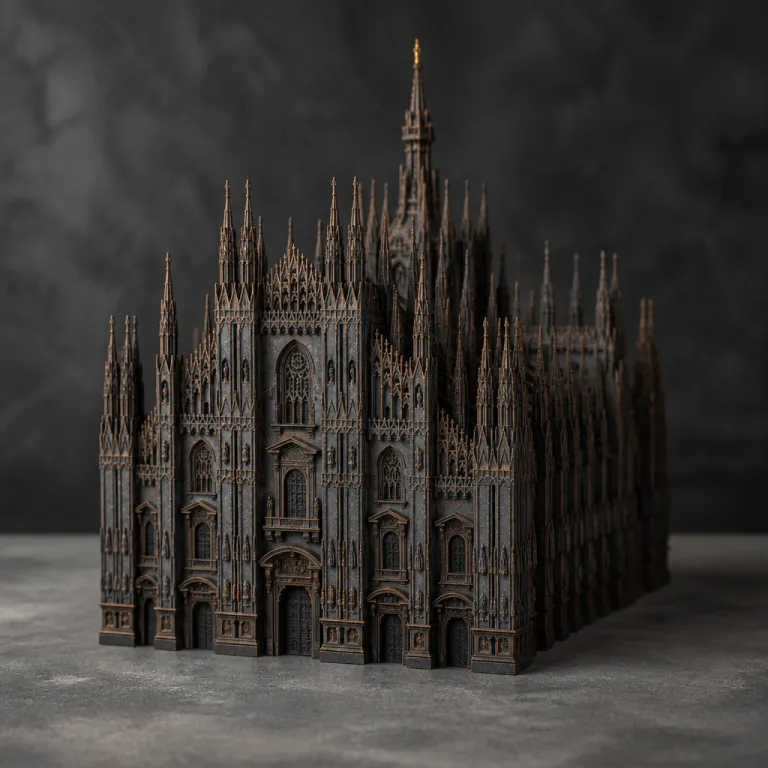
At the heart of Milano stands Milan Cathedral, the Duomo that dominates Piazza del Duomo with its forest of spires and marble statues. Around it, Galleria Vittorio Emanuele II, often shortened to the Galleria Vittorio Emanuele, connects the cathedral to Teatro alla Scala and shows why the city is synonymous with luxury shopping and grand cafés. Stay within walking distance of this area and you will find that every Milan day begins and ends under the cathedral’s pale stone, with metro lines M1 and M3 placing the rest of the city within easy reach.
Just a short walk away, Castello Sforzesco anchors another side of Milan Italy, where museums, courtyards, and parkland reveal the city’s Renaissance and nineteenth century layers. This is where the story of Leonardo da Vinci intertwines with the power of the Sforza family and the evolution of Milan as a European capital. If you stay near the castle, you can plan a guided tour in the morning, a slow afternoon in Parco Sempione, and a refined evening aperitivo in nearby streets such as Corso Garibaldi without losing time in transit.
Iconic central districts: Duomo, Galleria Vittorio Emanuele, and Castello Sforzesco
The historic centre is the best area for travellers who want to grasp what Milan is famous for in a single glance. Around the Duomo, every street seems to lead either to Milan Cathedral itself, to the Galleria Vittorio Emanuele, or to Castello Sforzesco and its museums. Choose a hotel here and you will step out each day into one of the most photographed squares in northern Italy, with tram lines 2 and 14 and several metro stops keeping journeys short.
Inside the Galleria Vittorio Emanuele II, Milan’s reputation for fashion becomes tangible in polished marble floors, glass domes, and historic cafés serving espresso to both tourists and local professionals. This is where the city’s role as a cultural and economic hub is most visible, with luxury brands, financial institutions, and art exhibitions sharing the same arcades. If you plan to visit Milan for shopping, opera at La Scala, or a short Milan day between flights, staying in this central area keeps everything within a ten to fifteen minute walk.
For travellers comparing central districts, a detailed Milan Italy travel guide on how to choose the best area to stay can help refine your choice. Around Castello Sforzesco, you will find slightly quieter streets, elegant residential buildings, and easy access to Parco Sempione for morning runs or evening strolls. This part of Milano suits guests who want quick access to the Duomo and Galleria Vittorio while enjoying a calmer atmosphere after a long day of travel, sightseeing, and business meetings.
Brera, Quadrilatero della Moda, and the fashion identity of Milan
North of the Duomo, Brera and the Quadrilatero della Moda explain another layer of what is Milan famous for. Brera is the artistic heart of the city, where cobbled streets, galleries, and the Pinacoteca di Brera showcase Italian art from the Renaissance to the nineteenth century. Staying here places you between creative studios, refined wine bars, and some of the best small restaurants in Milan Italy, with Moscova and Lanza metro stations a short stroll away.
A few minutes east, the Quadrilatero della Moda is the fashion district that has made Milano a global reference point for style. Here, the city’s fashion houses, showrooms, and ateliers turn each Milan day into a live runway, especially during Fashion Week when the streets fill with photographers and buyers. If you book a hotel in this area, you will find that even a short walk becomes a lesson in tailoring, leatherwork, and contemporary Italian design, from Via Montenapoleone to Via della Spiga.
For guests focused on style and shopping, this is often the best part of Milan to stay in, especially if you want to balance retail therapy with art and architecture. A dedicated guide to the best neighborhoods to stay in Milan and how to choose the right area can help you compare Brera, the fashion quadrilateral, and nearby streets. In both districts, you will find refined hotels that understand the rhythm of fashion events, late check ins, and early departures for international travel from Linate, Malpensa, or Bergamo airports.
Navigli district and canalside life: where locals unwind
Ask a local what is Milan famous for after dark, and many will mention the Navigli district. This canalside area in the south west of the city was once an industrial and commercial artery, and today it is a lively quarter of bars, galleries, and design studios. Choosing a hotel near the Navigli district means your evenings will unfold along the water, with aperitivo buffets, live music, and late night conversations on Ripa di Porta Ticinese and Alzaia Naviglio Grande.
The Navigli area is particularly appealing if you want to experience Milano beyond the postcard view of the Duomo and Milan Cathedral. During the day, you can join a guided tour that explains how the canals once connected Milan to Lake Como and other parts of northern Italy, supporting trade and agriculture. At night, the same streets transform into one of the best nightlife zones in the city, where you will find both students and professionals sharing tables on the pavement, especially around Porta Genova FS station.
For travellers who plan a longer stay, this district offers a good balance between local life and easy access to central sights. You can reach the Duomo, Castello Sforzesco, and Galleria Vittorio by tram or metro in a short time, then return to quieter canalside streets at the end of the day. If you are still unsure which part of Milan Italy suits your style, an in depth guide on how to choose the right place for your stay in the city center can help you compare Navigli with more traditional central districts.
Spiritual Milan: Sant’Ambrogio, Santa Maria delle Grazie, and sacred art
Beyond fashion and finance, Milan is famous for sacred art and early Christian heritage. The basilica of Sant’Ambrogio, dedicated to the city’s patron saint, reveals how Milano evolved from a Roman settlement into a spiritual centre over many centuries. Staying near this area places you close to some of the most important religious buildings in Milan Italy, yet slightly removed from the busiest tourist flows and souvenir shops.
A short distance away, Santa Maria delle Grazie is the church and convent that houses Leonardo da Vinci’s mural of the Last Supper. The refectory of Santa Maria delle Grazie, officially the Cenacolo Vinciano, is one of the key answers to the question what is Milan famous for among art lovers. Tickets for this guided tour must be reserved well in advance, often sixty to ninety days ahead in high season, and many visitors plan an entire Milan day around their timed entry to the mural, often combining it with a visit to nearby San Maurizio al Monastero Maggiore.
In this same quarter, you will find quiet streets, scholarly institutions, and a more residential rhythm that contrasts with the Duomo square. Hotels here are ideal for guests who want to focus on art, history, and contemplative walks between Sant’Ambrogio, Santa Maria delle Grazie, and other churches such as San Maurizio al Monastero Maggiore. When you stay in this part of the city, you will find that the things Milan is famous for include silence, cloisters, and frescoes as much as shopping, nightlife, and business meetings.
Day trips, Lake Como, and planning your Milan day around the region
Many travellers use Milan as a base for exploring northern Italy, especially the lakes. Lake Como is the most popular excursion, and a well planned day trip from Milan will show you why this landscape has inspired writers, aristocrats, and film directors for more than a century. If you intend to visit Como or other lakes, choose a hotel near Cadorna or Centrale stations to minimise transfer time and simplify early morning departures.
Organised excursions often include a guided tour of Como town, a boat cruise on Lake Como, and free time in villages such as Bellagio or Varenna. When you return to Milano in the evening, you will find that the contrast between alpine scenery and the urban energy of the city makes your stay feel richer and more varied. Many visitors structure their itinerary as one Milan day focused on the Duomo, Galleria Vittorio, and Castello Sforzesco, followed by another day Milan dedicates to Lake Como and the surrounding mountains.
For independent travellers, regional trains and ferries make it easy to design your own tour without joining a group. Direct trains from Milano Centrale to Como usually take between 40 and 60 minutes, and frequent ferries connect lakeside towns throughout the day. Whatever you choose, you will find that the things Milan is famous for extend beyond the city limits, linking urban art and architecture with lakes, vineyards, and alpine valleys.
How Milan’s culture, economy, and events influence your hotel choice
Understanding what is Milan famous for also means recognising its role as a cultural and economic engine. The city hosts Fashion Week, Design Week, and a dense calendar of art exhibitions and financial conferences that can transform hotel availability in a single day. During these events, the best located properties in Milano fill quickly, and prices rise across the central area, from the Duomo to Porta Nuova.
According to the Municipality of Milan and regional tourism data for 2022, annual visitors to Milan reach around ten million people, a figure that reflects the city’s combined appeal for business and leisure travel. The Italian Fashion Chamber reported fashion industry revenue of roughly twenty billion euros linked to Milan in 2021, underlining how deeply fashion shapes the local economy and the rhythm of each Milan day. When these sectors converge with major trade fairs, you will find that even usually quiet districts such as Sant’Ambrogio or the streets around Santa Maria delle Grazie become busier.
For this reason, planning ahead is essential, especially if you want a specific view of the Duomo, easy access to the Navigli district, or proximity to stations for Lake Como excursions. Before booking, check whether your dates coincide with Fashion Week, Design Week, or major football matches that can fill hotels across Milan Italy. With thoughtful timing, you can enjoy the things Milan is famous for at a comfortable pace, from the spires of Milan Cathedral to the cloisters of Santa Maria delle Grazie and the calm waters of Lake Como.
Key figures that explain Milan’s appeal
- Milan welcomes around 10 000 000 visitors each year, according to the Municipality of Milan and Lombardy tourism statistics for 2022, which confirms the city’s status as one of the most visited destinations in northern Italy.
- The Italian Fashion Chamber estimates that the fashion industry centred in Milan generated about 20 000 000 000 euros in revenue in 2021, highlighting why fashion is a core answer to the question what is Milan famous for.
- Major cultural events such as Fashion Week in February and September, Design Week in April, and the opera season from December to July create several peak periods when hotel demand in the city centre is significantly higher.
- With coordinates of approximately 45.4642° N and 9.1900° E, Milan sits at a strategic crossroads between the Alps, Lake Como, and the Po Valley, making it an ideal base for regional day trips.
FAQ: planning your stay in Milan
What is Milan’s main industry and how does it affect visitors ?
According to official data, when asked “What is Milan's main industry ?” the answer is “Fashion and finance.” For visitors, this means that Fashion Week, trade fairs, and financial conferences can drive hotel prices up and reduce availability, especially in the Duomo, Brera, and Porta Nuova districts. Booking early and checking event calendars is essential if you want central accommodation at a reasonable rate.
Is Milan worth visiting for more than one day ?
When asked “Is Milan worth visiting ?” the verified answer is “Yes, for its culture and history.” One full Milan day allows you to see the Duomo, Galleria Vittorio, and Castello Sforzesco, but staying at least two or three nights lets you add the Navigli district, Santa Maria delle Grazie, and a possible Lake Como excursion. Extra time also means you can enjoy local neighbourhoods at a slower pace, from Sant’Ambrogio to Brera.
Which Milan neighbourhood is best for first time visitors ?
For a first stay, the historic centre around the Duomo and Galleria Vittorio Emanuele II is usually the best choice. You will find most of the things Milan is famous for within walking distance, including Milan Cathedral, the main shopping streets, and several museums. From here, trams and the metro connect you quickly to the Navigli district, Brera, and major train stations.
What food is Milan known for and where should I try it ?
To the question “What food is Milan known for ?” the official answer is “Risotto alla Milanese.” You will find excellent versions of this saffron infused rice dish in traditional trattorias across the city, especially in Brera, Porta Romana, and the Navigli area. Pair it with ossobuco or cotoletta alla Milanese for a complete introduction to local cuisine and the flavours Milan is famous for.
How far is Lake Como from Milan and is it suitable as a day trip ?
Lake Como lies roughly 50 kilometres north of Milan, and direct trains from Milano Centrale or Cadorna reach Como in about 40 to 60 minutes. This makes it an ideal day trip, whether you join a guided tour or travel independently. Many visitors plan one Milan day for city sights and another for Lake Como to experience both urban culture and lakeside scenery.