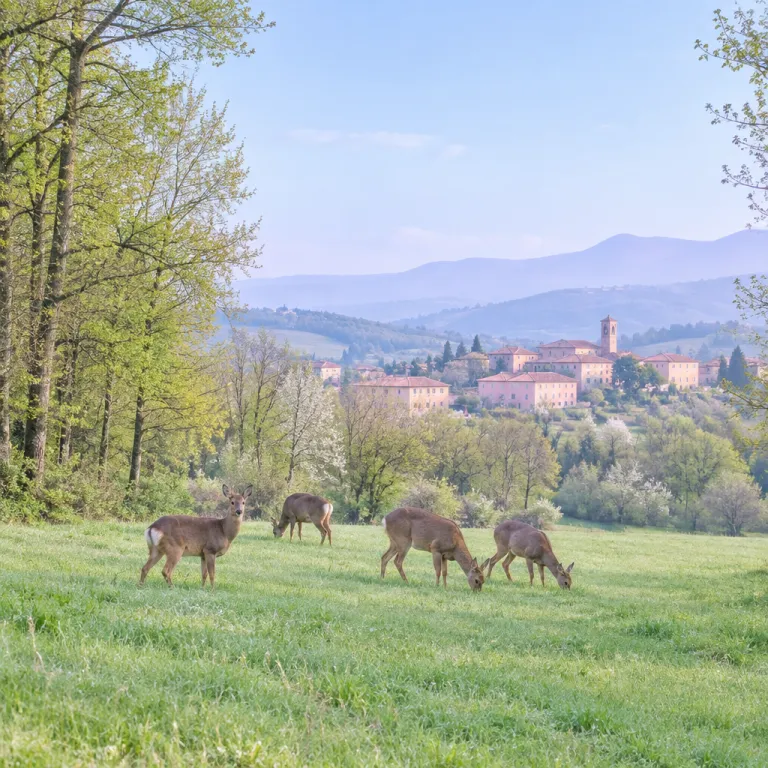
Lakes and hills near Milan where deer still roam
Staying in Milan gives you fast access to landscapes where you can quietly observe wild deer in Italy. Within two hours by train or car, you reach lake shores and forested hills where the local deer population has returned after careful reintroduction projects. Choose a hotel near Milano Centrale or Cadorna if you want the best rail connections for these wildlife day trips.
North Italy offers a striking contrast between Milan’s fashion streets and the wild valleys where red deer and roe deer move at dawn. Around Lake Como and Lake Maggiore, wooded slopes shelter small groups of roe, while higher alpine meadows sometimes reveal an isolated red stag or even an alpine chamois. From Milano Centrale, regional trains to Como, Lecco or Varese usually take 40 to 70 minutes, and local buses connect these towns with signed trailheads in nearby reserves.
For travellers interested in deer in Italy rather than hunting Italy experiences, focus on protected reserves and regional parks. The Parco Regionale Campo dei Fiori above Varese, and the forests around Val Masino, are known for herds of cervus elaphus and occasional wild boar crossings on quiet tracks. Official park maps and visitor centres explain how red deer, whose Latin name is cervus elaphus, have adapted again to these alpine valleys after decades of pressure from hunting and habitat loss.
Many Milan hotels now work with specialist nature guides who understand both wildlife behaviour and guest expectations. They can design gentle walks suitable for a relaxed day out, or more demanding hikes that climb 600 to 800 metres into alpine chamois territory. When you book, ask whether the hotel clearly explains how your contact details are shared with partner guides, and check that the privacy policy on the hotel website covers third party operators.
Photographers often ask where to find the best balance between scenery and reliable deer sightings. Lake Como’s less visited eastern shore, especially above Colico and Dorio, offers quiet forest tracks where you may see the silhouettes of red deer against the water at dusk. In these areas of north Italy, you are more likely to encounter roe deer and the russet coats of alpine chamois than a full red stag, but the combination of mountains, lake light and wild animals feels unforgettable.
If you plan several hunting days with a licensed outfitter rather than pure observation, Milan still works as a strategic base. Many international guests arrive, rest one or two days in the city, then transfer to alpine lodges where a method rifle approach is strictly regulated by regional rules. Even when the focus is a selective deer hunt, responsible operators emphasise population health, fair chase ethics and transparent trophy fees for any red deer, roe deer or wild boar taken.
From Milan to Tuscany: hotel bases for gentle countryside escapes
Travellers often underestimate how easily Milan connects with central Italy and Tuscany for longer countryside escapes. High speed trains link Milano Centrale with Florence in under two hours, opening access to Tuscan landscapes where deer in Italy share vineyards and olive groves with traditional farms. If you prefer to keep Milan as your main base, plan two or three days in a row when you can stay overnight in Tuscany before returning north.
The Val d’Orcia, sometimes written as Val Orcia, is one of the areas Tuscany where wildlife, wine and slow travel blend beautifully. Rolling hills, cypress lined drives and stone farmhouses create a cinematic backdrop for early morning walks when roe deer and wild boar often cross between fields. Many agriturismi and small country hotels here can arrange guided outings focused on observing red deer and roe deer rather than any form of hunt.
For guests who enjoy seasonal colour, autumn in Italy makes Milan the perfect base for lakes and countryside escapes, especially when you combine Lombardy with Tuscan hills. From a Milan hotel you can travel south to Siena or Montepulciano, then continue into quieter corners of Val Orcia where the deer population has grown steadily thanks to careful management. These central Italy itineraries work well if you want both city comfort and wild landscapes within the same week.
Some visitors are curious about the history of deer in Italy and how reintroduction programmes changed rural life. In several Tuscan reserves, red deer and roe deer were reintroduced after local extinction, and their grazing patterns now influence vineyards, truffle woods and cereal fields. Guides explain how Tuscan farmers balance crop protection with respect for wild animals, sometimes using non lethal methods before considering any controlled hunt.
When choosing hotels in Tuscany, look for properties that clearly describe their sustainability practices and data protection standards on their websites. Serious hosts explain how they manage water use, energy and guest information, and many also support local conservation groups monitoring deer numbers and wild boar populations. This level of transparency helps you align your stay with the values behind responsible travel and ethical wildlife tourism.
If you prefer to keep logistics simple, consider booking a Milan stay that already includes curated countryside excursions. Some properties partner with operators who run small group trips to areas Tuscany such as Val Orcia, Chianti and the Casentino forests, all known for red deer and roe deer. These packages often include transport, guiding and tastings, leaving you free to enjoy each day without worrying about driving or navigation.
Alpine reserves and cinematic landscapes reachable from Milan hotels
North of Milan, the alpine arc forms a natural corridor for deer in Italy, chamois and other mountain wildlife. From a central hotel near Porta Garibaldi, you can reach Valtellina, Valchiavenna or the Orobie Alps in a few hours by train and bus. These valleys combine dramatic scenery with a real chance of seeing alpine chamois and red deer in rugged settings.
Travellers interested in Italy’s most cinematic locations from a Milan hotel base often focus on Lake Como, the Bernina route and the high pastures above Bormio. In these landscapes, the contrast between deep blue lakes, snow capped peaks and the warm red tones of autumn forests creates ideal conditions for photography. With patience and a quiet approach, you may frame a red stag or a small group of roe deer against this alpine backdrop.
Protected areas such as Stelvio National Park and the Orobie Bergamasche Regional Park are central to the story of deer population recovery in north Italy. Here, cervus elaphus and roe deer benefit from strict rules on hunting days, visitor access and habitat protection, which allow herds to stabilise and expand. Rangers and biologists monitor numbers carefully, adjusting any licensed deer hunt to maintain a healthy balance between animals, forests and local agriculture.
Some guests ask whether hunting Italy traditions still shape life in these alpine communities. The answer is nuanced, because regulated hunting remains part of rural culture, especially for wild boar and sometimes for roe deer, yet conservation priorities are stronger than before. When you speak with local guides, they often describe how selective hunt practices and clear trophy fees can support scientific monitoring and anti poaching patrols.
For non hunters, the same regulations that govern method rifle use and hunting days also create predictable quiet periods ideal for wildlife watching. Many parks restrict access to sensitive breeding zones, but they maintain signed trails where visitors can walk safely while respecting wild animals. Your hotel concierge can help you interpret seasonal rules, ensuring that your chosen day trip aligns with both comfort and environmental responsibility.
To deepen the cinematic side of your journey, choose a Milan hotel that understands film and photography logistics. Some properties already work with location scouts who know where the rich red coats of deer stand out best against alpine light, or where the brown fur of chamois contrasts with limestone cliffs. When you plan shoots, always ask operators how they handle image rights and guest data, especially if you intend to share content commercially.
Ethical perspectives on hunting, trophies and wildlife tourism
Guests booking hotels in Milan increasingly ask nuanced questions about hunting Italy practices and their impact on deer in Italy. Many travellers want to understand how selective hunt policies, trophy fees and wildlife tourism interact in regions stretching from north Italy to Tuscany. The conversation often begins at reception, where well informed staff can outline the difference between observation focused tours and licensed hunting days.
In several alpine and Tuscan districts, authorities allow a limited deer hunt to control numbers and protect forests from overgrazing. Licences specify the age and sex of each red deer, roe deer or wild boar that may be taken, and every method rifle shot must be recorded and inspected. These systems aim to prevent uncontrolled hunting while generating funds for habitat restoration, research on cervus elaphus genetics and ranger salaries.
For travellers who do not wish to participate in any hunt, the same regions offer rich opportunities to watch wild animals in their natural settings. Dawn walks in oak and beech forests may reveal a red stag silhouette, while evening drives sometimes show wild boar families crossing tracks near vineyards. Guides trained in non intrusive observation help guests keep a respectful distance, protecting both safety and animal welfare.
The term trophy can be controversial, especially when associated with large red deer antlers or mounted wild boar heads. Some Italian outfitters now emphasise photographic trophies instead, encouraging guests to value images and memories rather than physical remains. When financial trophy fees are involved, transparent pricing and clear ethical standards are essential, and reputable operators explain exactly how revenue supports conservation.
Hotel concierges in Milan can help you identify partners who prioritise animal welfare, legal compliance and robust safeguards for client data. They often maintain lists of guides who specialise in roe deer observation, alpine chamois tracking or birdwatching rather than purely hunting activities. By choosing these services, you support a model where wild landscapes generate income without relying solely on lethal use of wildlife.
As a traveller, you can also influence demand by asking direct questions before booking any excursion. Request details about how deer population trends are monitored, how many hunting days are authorised each season and whether non lethal alternatives are promoted. Operators who answer clearly and provide written guidelines usually demonstrate the level of professionalism and accountability that aligns with responsible travel.
Planning your Milan stay around wildlife focused day trips
When you plan a Milan hotel stay with an eye on deer in Italy, timing and logistics matter as much as location. Wildlife is most active at dawn and dusk, so you may want flexible breakfast hours or grab and go options from your hotel. Properties used to business travellers sometimes adapt easily, preparing early trays so you can leave before first light for a carefully planned day trip.
Seasonality shapes what you are likely to see in both north Italy and central regions such as Tuscany. In late spring and early summer, roe deer fawns appear at field edges, while red deer stags grow new antlers in velvet on higher slopes. Autumn brings the red deer rut, when the deep calls of cervus elaphus echo across alpine valleys and Tuscan hills, creating one of the most atmospheric wildlife experiences in Europe.
To coordinate these seasonal highlights with urban comfort, consider a simple one or two day outline. A typical day trip might start with a 7:00 train from Milano Centrale to Como or Lecco, a short bus ride to a trailhead, three to four hours of quiet walking with chances of roe deer or chamois, then an evening return for dinner in the city. For a longer escape, spend one night in Val Orcia or Chianti after a morning high speed train to Florence, combining a sunset walk among Tuscan vineyards with early red deer or wild boar sightings before heading back to Milan the next day.
Transport choices also influence how relaxed your wildlife excursions feel. Trains from Milan to Como, Lecco, Varese or Bergamo provide efficient access to trailheads, while local buses or private transfers cover the final kilometres into forested valleys. If you rent a car, remember that some alpine roads are narrow and winding, and always drive slowly at night because wild boar or deer may appear suddenly on the tarmac.
Hotel staff who understand these realities can suggest realistic itineraries rather than over ambitious plans. They know that a single day is enough for a gentle lakeside walk with possible roe deer sightings, while a more demanding alpine chamois hike may require two days with an overnight stay. When you book, ask whether the concierge team has experience arranging nature focused trips, not only standard city tours.
Finally, treat your wildlife outings as part of a broader journey into Italian landscapes and culture. Combine a morning tracking deer footprints with an afternoon tasting local cheeses, wines or olive oils in nearby villages. This approach respects the rhythm of rural life and turns each day into a balanced blend of nature, gastronomy and comfortable hotel living.
Choosing the right Milan hotel for nature lovers
Not every Milan hotel is equally suited to guests interested in deer in Italy, alpine walks or Tuscan escapes. When comparing options, focus on three elements: location, partnerships and practical services. A property near major stations or metro hubs simplifies early departures, while a quieter neighbourhood may offer better rest between long days outdoors.
Look for hotels that highlight their connections with guides, parks or rural estates in north Italy and central regions. Some maintain long term relationships with operators in areas Tuscany such as Val Orcia, Chianti or the Garfagnana, where red deer, roe deer and wild boar remain part of everyday rural life. Others collaborate with alpine lodges that specialise in non hunting wildlife observation, tracking alpine chamois and monitoring deer population trends.
Practical details matter more than many travellers expect. Drying rooms or simple laundry services help after wet days on forest trails, while early breakfast or packed lunch options keep you flexible for sunrise departures. Front desk teams who understand terms like cervus elaphus, method rifle regulations and regional hunting days can also answer nuanced questions about where and when to expect quiet conditions on the trails.
Digital policies deserve attention as well, especially when you share images or personal data with third parties. A clear privacy policy on the hotel website signals that management takes information security seriously, which usually extends to how they handle bookings with external guides. Before confirming any excursion that involves a deer hunt or wildlife photography, ask how your contact details and images will be stored and used.
Some properties go further by curating small libraries on Italian nature, hunting Italy history and conservation. You might find field guides to red deer, roe deer and alpine chamois, along with essays on the reintroduction of deer into former agricultural zones. Reading these materials in the lounge or bar can enrich your understanding of the landscapes you will visit the next day.
When you finally settle into your chosen room, remember that Milan is more than a gateway to other regions. The city itself sits within a network of rivers, canals and lowland woods where roe deer and wild boar occasionally appear on the urban fringe. From this comfortable base, you can move between fashion shows, cathedral spires and the quiet presence of wild animals in a single, carefully planned stay.
Key figures on wildlife, deer and Italian countryside escapes
- National monitoring by the Italian Institute for Environmental Protection and Research (ISPRA) indicates that red deer numbers have increased markedly since the late twentieth century, largely due to reintroduction and habitat protection, with many alpine and Apennine districts now reporting stable or expanding herds.
- Studies on roe deer in northern and central Italy suggest that stable populations now occupy a large share of suitable woodland habitats, with densities in well managed reserves often reported in the range of several animals per square kilometre.
- Data from various alpine regions show that controlled hunting days typically represent a small fraction of the calendar year, concentrating activity into short, regulated periods to minimise disturbance for the rest of the season.
- Wild boar numbers have increased significantly across Tuscany and north Italy, with several provinces reporting sustained growth, which explains the need for careful management to protect crops and road safety.
- Tourism boards in Lombardy and Tuscany report that nature based and rural tourism now account for a substantial share of overnight stays outside major cities, reflecting growing interest in wildlife watching, hiking and countryside retreats.
Frequently asked questions about Milan hotels and deer in Italy
Can I see wild deer on a day trip from Milan ?
Yes, it is realistic to see wild roe deer and sometimes red deer on a day trip from Milan, especially if you visit forested areas near Lake Como, Varese or Bergamo with an experienced guide. Sightings are never guaranteed, but early morning and late afternoon walks in quiet valleys offer the best chances. Choosing a hotel with good rail access and flexible breakfast times makes these excursions easier.
Is hunting common in the regions around Milan and Tuscany ?
Hunting is present but tightly regulated in both north Italy and Tuscany, with specific seasons, quotas and designated hunting days. Authorities issue licences that define which species and how many animals may be taken, often focusing on wild boar and carefully selected red deer or roe deer. Visitors who prefer non hunting activities can easily find guides and parks dedicated solely to observation and photography.
Do I need special equipment to watch deer near Milan ?
For most casual wildlife outings, sturdy walking shoes, layered clothing and a pair of binoculars are sufficient. A lightweight backpack with water, snacks and a waterproof jacket helps you stay comfortable during changing alpine or Tuscan weather. If you plan longer hikes, local guides may recommend trekking poles and more technical footwear, which you can often rent near major trailheads.
Which season is best for combining Milan city life with wildlife watching ?
Spring and autumn are generally the best seasons to combine Milan’s cultural life with countryside wildlife watching. Spring brings mild temperatures, fresh foliage and active roe deer, while autumn offers the red deer rut, rich colours and fewer crowds in both cities and rural areas. Summer can work for high altitude hikes, but heat and holiday traffic sometimes make travel less comfortable.
How can I ensure my wildlife tour is ethical and responsible ?
Before booking, ask operators about their approach to animal welfare, group size, distance rules and how they support conservation projects. Responsible guides avoid feeding wildlife, respect breeding areas and explain local regulations on hunting and protected species. Hotels that publish a clear privacy policy and work with certified guides usually provide a reliable starting point for ethical nature experiences.