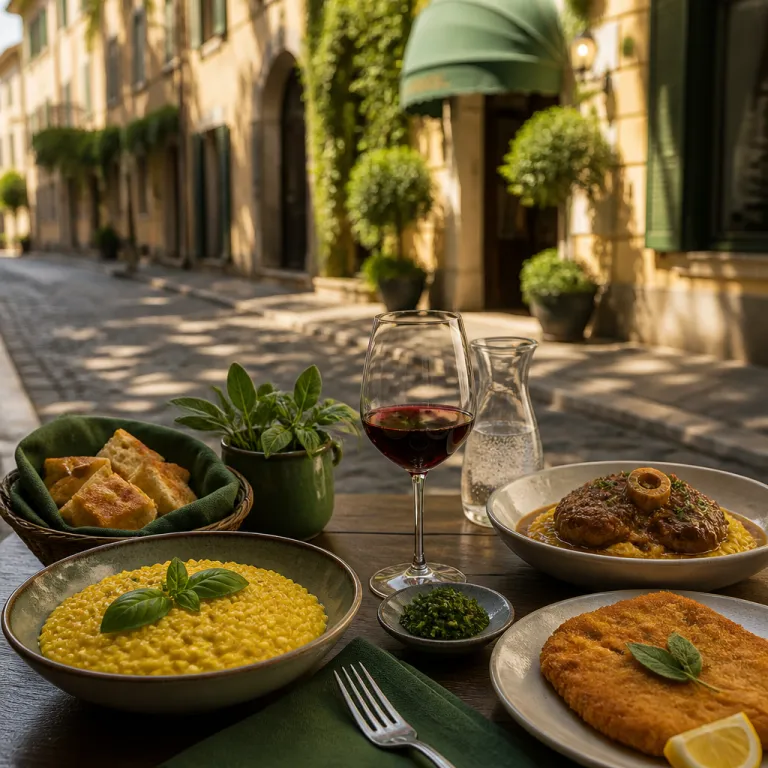
Why traditional Milanese dishes matter when choosing your Milan hotel
Staying in Milan without planning which classic local dishes to sample is a missed opportunity. When you book a hotel in the Lombard capital, the surrounding food scene should influence your choice as much as the room category and view. In a city where Milanese cuisine shapes daily life, proximity to the best restaurants, street food stalls, and classic trattorie can transform a simple stay into a gastronomic immersion in local tradition.
Many travellers search for food-in-Milan tips only after they arrive, yet the most rewarding experiences start when you map signature recipes to neighbourhoods before confirming a reservation. If you know you want risotto alla Milanese one evening, cotoletta alla Milanese another, and perhaps minestrone alla Milanese for a lighter lunch, you can target hotels within walking distance of the right addresses. This approach turns every stroll along a Milan street into a curated tasting route rather than a random hunt for something vaguely Italian.
The city of Milano, Italy is compact, so choosing a base near key dining clusters such as Porta Romana, Brera, or the historic centre makes it easy to sample multiple dishes in a short stay. Business travellers often have limited time, so being close to serious cucina italiana helps them experience authentic regional cooking without long taxi rides. Leisure guests, meanwhile, can align their travel rhythm with local ingredients markets, pastry shops famous for panettone Milan, and even modern counters serving dumplings or fusion pasta that still reference Milanese roots.
Risotto alla Milanese and rice classics near central Milan hotels
Among all the traditional Milanese dishes on offer, risotto alla Milanese is the essential starting point. This creamy saffron rice, often paired with slow-cooked veal shank, is the dish that most clearly expresses Milanese cuisine and its love of patient technique. One concise definition captures it perfectly: “What is risotto alla Milanese? A creamy saffron-infused rice dish, a staple of Milanese cuisine.”
Travellers staying near the Duomo or in the financial district have easy access to long-established dining rooms where a veteran chef still toasts rice in butter before adding stock, wine, and saffron threads. Trattoria Masuelli San Marco, on Viale Umbria 80, 20135 Milano (tram 9, stop Umbria–Lodi; usually open Tuesday to Sunday for lunch and dinner, with mains around 18–30 EUR), is a reference point for this rice ritual, and its location works well if your hotel is in the eastern part of the city. Here you can compare a classic risotto alla Milanese preparation with other rice dishes, then step back into the city lights for a late evening drink or a quiet walk.
When you review hotel options in central Milan, look for those that mention partnerships with traditional restaurants or concierge recommendations for Italian cuisine institutions. Some properties maintain preferred tables at places like Trattoria Milanese, on Via Santa Marta 11, 20123 Milano (about 8 minutes on foot from the Duomo, metro Duomo lines M1 and M3; typical second courses 22–35 EUR; closed Sunday evening), where rice, veal, and local ingredients are treated with the respect they deserve. If you enjoy photography, request a table with good natural light so your plate photo of golden risotto alla Milanese captures both texture and the warm tones of the dining room.
Cotoletta alla Milanese, ossobuco and hearty mains for refined evenings
After rice, the next emblematic Milanese specialities to explore are the substantial second courses that define dinner in Milan. Cotoletta alla Milanese, a veal cutlet fried in clarified butter, offers a satisfying contrast between crisp crumb and tender meat. When paired with a glass of northern Italian wine, it becomes a highlight of any travel itinerary focused on food.
Guests staying around the historic centre or in elegant streets near the fashion district can reach Trattoria Milanese on Via Santa Marta 11, 20123 Milano, in just a few minutes on foot or by tram 2 from Piazza Cordusio. This restaurant is widely respected for its classic cotoletta alla Milanese, and its menu often includes ossobuco served with risotto alla Milanese, giving you two regional specialities in a single sitting. Booking a hotel nearby means you can linger over a drink after dinner, then return on foot through quiet Milan streets lined with historic façades.
For colder months, consider hotels with easy tram access to Trattoria Madonnina, at Via Gentilino 6, 20136 Milano (tram 3 or 15 from the Duomo area, about 15 minutes; generally open daily except Monday at lunch; hearty mains 16–28 EUR), known for cassoeula, a slow-cooked pork and cabbage stew that reflects the city’s working-class roots. These hearty dishes show another side of Milanese cuisine, far from light pasta with tomato sauce yet deeply rooted in cucina italiana. When you plan where to stay in Milano, Italy, think about whether you prefer to walk to such traditional dining rooms or rely on taxis after a long, satisfying meal.
From minestrone alla Milanese to pasta and pizza: lighter options near your stay
Not every evening in Milan calls for rich meat dishes, so it is wise to balance your list of local specialities with lighter plates. Minestrone alla Milanese, a vegetable and bean soup enriched with rice or pasta, offers comfort without heaviness. Many central restaurants serve it at lunch, making it ideal for guests who want to enjoy Milanese cuisine yet remain alert for afternoon meetings or gallery visits.
Hotels around Porta Romana and the Navigli canals place you close to trattorie where minestrone alla Milanese appears alongside seasonal pasta dishes and thin-crust pizza baked in wood-fired ovens. While pizza is not originally a Milanese specialty, the city’s cosmopolitan food scene means you can enjoy excellent versions topped with carefully sourced local ingredients. Choosing a hotel in these neighbourhoods lets you move easily between traditional Italian cuisine, contemporary cucina italiana, and informal wine bars for an aperitivo drink.
Travellers who prefer flexible dining schedules might favour serviced apartments or hotels with kitchenettes near markets and bakeries. This arrangement allows you to sample panettone Milan in the morning, then explore nearby cafés for a simple plate of pasta with tomato sauce at midday. In the evening, you can return to more elaborate regional dishes, confident that your base in Milano, Italy keeps every option within a short walk or tram ride.
Street food, ravioleria Sarpi and casual bites between museum visits
Elegant stays in Milan do not exclude casual eating; in fact, the contrast can be part of the pleasure. Between museum visits and shopping, you will find many chances to explore street food that complements the more formal Milanese specialities you enjoy at dinner. The key is to choose a hotel that places you near both refined dining rooms and lively pavements.
In the Chinatown district, Ravioleria Sarpi has become a reference for freshly made dumplings, drawing both locals and visitors along Via Paolo Sarpi and nearby streets. One of its best-known counters is at Via Paolo Sarpi 27, 20154 Milano (reachable by tram 12 or 14 from the centre in about 15 minutes; usually open daily from late morning to evening, with portions from 5–10 EUR). While dumplings are not part of classic Milanese cuisine, they reflect how the city’s food scene absorbs global influences while remaining anchored in Italian cuisine traditions. Staying in a hotel within walking distance allows you to pick up a quick portion at lunchtime, then save your appetite for risotto alla Milanese or cotoletta alla Milanese in the evening.
Elsewhere in the city, you will encounter street food counters offering focaccia, slices of pizza, and small fried snacks that pair well with a soft drink or a glass of wine. When you plan your travel schedule, mark these stops on a map so that each Milan street you cross between appointments offers a potential taste of local ingredients. Over several days, this mix of informal bites and seated meals will give you a complete view of the city’s food culture without ever straying far from your chosen hotel.
Desserts, panettone and how to photograph your Milan food memories
No list of traditional Milanese dishes is complete without dessert, especially panettone Milan, the tall, airy sweet bread that originated in the city. While it is most associated with festive seasons, many pastry shops in Milan now offer it in smaller formats throughout the year. Choosing a hotel near a respected pasticceria lets you start each day with a slice, a coffee, and a quiet moment before the city fully wakes.
Beyond panettone, you will find custard-filled tarts, chocolate creations, and gelato that showcase both Milanese and broader Italian pastry skills. Some fine dining restaurants offer a tasting menu that moves from risotto alla Milanese through meat dishes to intricate desserts, allowing you to experience the full arc of cucina italiana in one evening. When comparing hotels, look for concierges who can secure reservations at such venues, especially if your stay in Milano, Italy is short and you want to focus on the best expressions of Milanese cuisine.
Many travellers enjoy capturing a photo diary of their meals, from street food snacks to carefully plated dishes in the city’s dining rooms. To make this easier, request tables with good lighting and avoid harsh overhead spots that flatten colours in your photo of rice, pasta, or pizza. Over time, these images will remind you not only of the flavours but also of how the Lombard capital looked and felt as you walked from your hotel to each carefully chosen restaurant.
Key figures for traditional Milanese dining during your stay
- The Milan Tourism Board lists at least 14 recognised traditional Milanese dishes in its official materials on local gastronomy, giving travellers a clear framework when planning which specialities to prioritise during a short stay.
- The average cost of a meal in Milan is around 30 EUR per person according to Numbeo’s 2024 city price index for restaurant prices, which helps hotel guests budget realistically for risotto alla Milanese, cotoletta alla Milanese, and dessert in mid-range restaurants.
- With central Milan’s compact layout at roughly 182 square kilometres, many hotels sit within a 2 to 3 kilometre radius of major dining clusters, allowing guests to reach key Milanese cuisine addresses on foot in 10 to 30 minutes.
- Evening restaurant reservations in popular areas such as Porta Romana or the historic centre are often booked out 2 to 3 days in advance, so coordinating bookings with your hotel stay dates is essential.
FAQ: what to eat in Milan during an elegant stay
What are the essential traditional Milanese dishes to try near my hotel?
The core dishes to prioritise are risotto alla Milanese, cotoletta alla Milanese, ossobuco with saffron rice, minestrone alla Milanese, and cassoeula in colder months. Many central hotels are within walking distance of trattorie that specialise in these plates. Ask your concierge for addresses such as Trattoria Masuelli San Marco, Trattoria Milanese, or Trattoria Madonnina, which focus on classic Milanese cuisine.
Where can I try authentic cotoletta alla Milanese during my stay?
Trattoria Milanese on Via Santa Marta 11, 20123 Milano, is widely regarded as a benchmark for traditional cotoletta alla Milanese, and its central location suits guests staying near the Duomo or the financial district. Several other long-standing restaurants in the historic centre and Porta Romana also serve excellent versions. Reserve through your hotel as tables at peak times are often limited.
Is cassoeula available all year or only in winter?
Cassoeula, the hearty pork and cabbage stew, is typically served in winter because of its richness and warming character. Some restaurants may offer it slightly beyond the coldest months, but it is rare to find in high summer. If this dish is on your list of traditional Milanese dishes to try, plan your travel dates accordingly and ask your hotel to confirm availability.
How much should I budget per day for traditional Milanese dining?
With an average meal cost of about 30 EUR per person in Milan, a realistic daily food budget for a hotel guest might range from 50 to 80 EUR, depending on whether you choose street food lunches or full restaurant dinners. This allows for a mix of risotto alla Milanese, meat dishes, and dessert in mid-range venues. Higher-end tasting menus will increase that figure, so check sample menus before booking.
Can I experience traditional Milanese dishes through room service or hotel restaurants?
Some upscale hotels in Milano, Italy feature in-house restaurants where a skilled chef prepares risotto alla Milanese, veal dishes, and desserts inspired by local gastronomic tradition. However, many travellers still prefer to step out into the city to feel the atmosphere of classic trattorie and lively streets. A balanced approach is to enjoy one refined dinner in your hotel and spend other evenings exploring nearby neighbourhood favourites.
Sources
- Milan Tourism Board, official materials on traditional Milanese cuisine and local dishes (consulted 2024)
- Numbeo, 2024 Cost of Living in Milan data for average restaurant prices (restaurant price index, accessed 2024)
- Local restaurant information from Trattoria Masuelli San Marco, Trattoria Milanese, Trattoria Madonnina and Ravioleria Sarpi (addresses, indicative prices, and opening patterns as of 2024)